Students who once believed they could shape international institutions are discovering that the very institutions claiming to empower them are failing—and fast.
In theory, if a measure serves human needs and the social good, the institution should implement it. In practice, however, trust in international institutions—and the career opportunities it promises—is eroding amid widespread corruption and declining credibility. Students shouldn’t view these challenges as discouragement; they should see them as a chance to push for real, systemic change.
As scandals involving mismanagement and abuse continue to surface, public skepticism toward international institutions is growing. The American Red Cross, for example, has faced lawsuits and investigative scrutiny over its handling of earthquake relief funds in Haiti, with allegations that much of the money raised was misused and numerous projects left unfinished.
These high-profile scandals highlight broader criticisms towards Non-Governmental Organizations (NGOs) and Intergovernmental Organizations (IGOs), often seen as overly bureaucratic, slow to act, and, in some cases, complicit in sustaining global inequalities rather than dismantling them.
The United Nations’ (UN) has faced criticism for its slow response to allegations of genocide in Gaza, only declaring that Israel has committed genocide against Palestinians in Gaza on Sept. 16th. Human Rights Watch and Amnesty International had flagged evidence early, yet the UN took nearly two years to formally acknowledge the claims.
The standing of global governance institutions is crucial, as they provide a stage for accountability, justice, and transparency in the international community. Ensuring these organizations function effectively and stay true to their intended purpose is essential for anyone working in this field.
Acknowledging these challenges shouldn’t make students lose hope in a meaningful career in international institutions. Critique and accountability are central to working in global affairs.
Students shouldn’t doubt their ability to create meaningful change within a system steeped in corruption; instead, they should have greater confidence in their collective power to confront and reshape it.
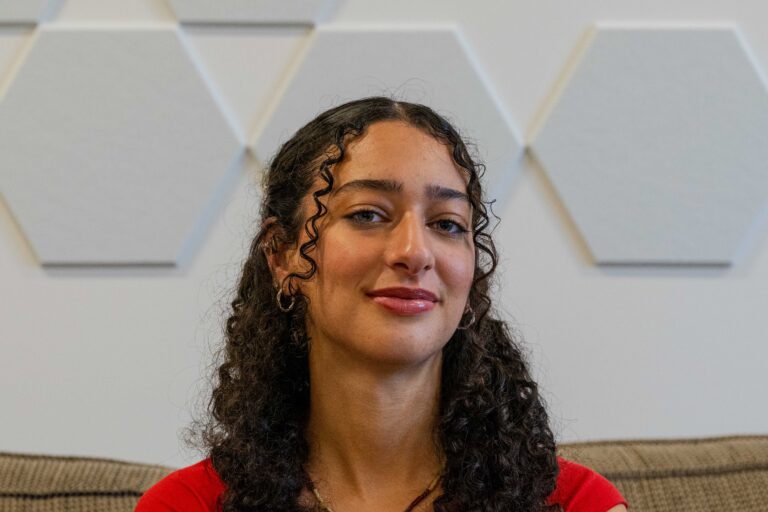
Meena Al-Shalal is a fifth-year Global Development Studies student, and The Journal’s, Assistant Video Editor
Tags
global affairs, Global Governance, International Organizations
All final editorial decisions are made by the Editor(s) in Chief and/or the Managing Editor. Authors should not be contacted, targeted, or harassed under any circumstances. If you have any grievances with this article, please direct your comments to eic@queensjournal.ca.