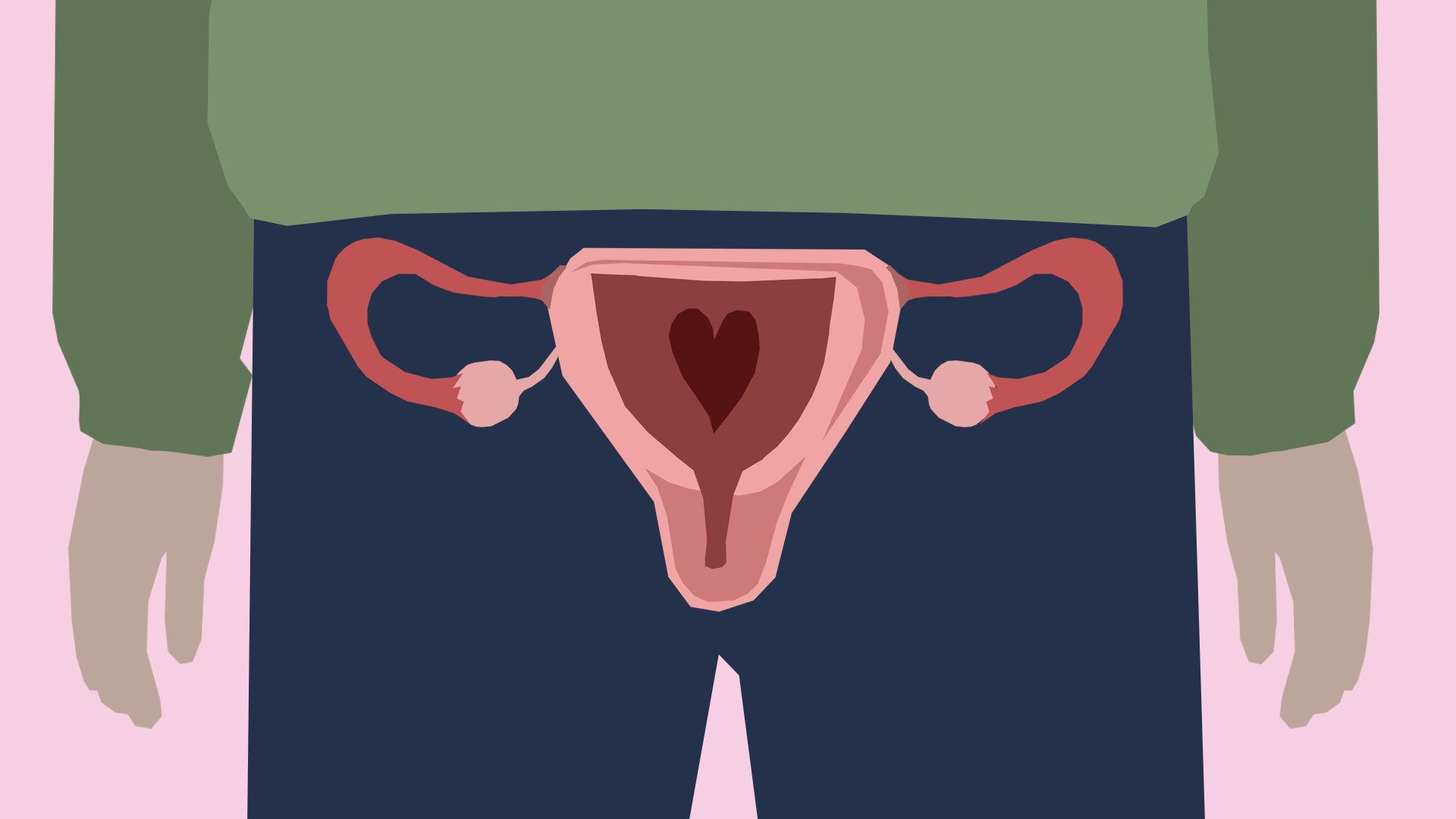
Women need equal access to fair and non-judgmental reproductive healthcare.
Prince Edward Island (PEI) resident Lynn Paulin decided to undergo tubal ligation, more commonly known as getting your “tubes tied.” Remaining childless was a decision Paulin made for her life, and she was rightly able to receive the care she required without judgment or attempts to change her mind.
However, Paulin’s fear of judgment and persuasion speaks to a broader social narrative that the healthcare system will try to control what women do with their bodies.
Those who consider procedures such as tubal ligation don’t take it lightly. Paulin had been sure for years that she didn’t
want a child and came to an educated and informed decision with her husband. The doctor’s questions for Paulin were exactly as they should be, direct, only asking if she wanted kids and if she was healthy. It’s important to receive healthcare that ensures you’re safe but doesn’t question your personal motivations.
Women are often seen as fulfilling a biological imperative by having children. Those who choose to remain childless are met with pity, judgment, and questioning. Many women aged 35 to 40 feel judged for not having a baby, and even if they plan to, nearly 60 per cent have faced judgement for leaving it late. Though it should go without saying, a woman’s worth is defined by so much more than her ability to have children and should be celebrated for whatever they choose to do with their body.
Paulin’s decision highlights how difficult and expensive other forms of birth control can be. Contraception pills are tiring and risk serious hormonal imbalances in women. Other side effects include nausea, headaches, mood changes, and irregular periods. Alternative options, including intrauterine devices (IUD)’s can be painful, and weren’t covered by PEI health insurance until this year. While mostly covered by health insurance, other forms of birth control can range from $100 to over $2,000 per year.
While it may seem like there are so many options when it comes to birth control, none of them are truly optimal for women’s health. It shouldn’t be hard to understand why a woman who is sure she wants to remain childless would wish to undergo tubal ligation.
Even with access to contraception, no form of birth control has a 100 per cent guarantee of remaining childless. If someone were to become pregnant on birth control, the abortion debate south of the border illustrates the lack of options for women in this situation. The overturning of Roe v. Wade was deeply concerning for any young woman, indicating how easily it is for women to lose the right to make autonomous decisions about their bodies. Driven by her own experience of terminating a pregnancy, it’s completely understandable why Paulin would seek a permanent solution.
Despite having an IUD, Paulin became pregnant in her 20s and had to seek an abortion to avoid medical complications. It wasn’t until she was referred to a specialized gynecology clinic that she was
presented with all her options. Previously, she felt as though her doctors were trying to guilt her out of terminating an unplanned pregnancy.
With few options and few guarantees, Paulin’s decision was the right one for her, and should be met with understanding, not judgment.
In a social and political climate that constantly tries to limit or judge women on the choices they make about their bodies and having children, access to permanent contraceptive operations is essential.
—Journal Editorial Board
Tags
Birth control, Contraception, Pregnancy, Prince Edward Island, Tubal ligation
All final editorial decisions are made by the Editor(s) in Chief and/or the Managing Editor. Authors should not be contacted, targeted, or harassed under any circumstances. If you have any grievances with this article, please direct your comments to eic@queensjournal.ca.