Gen Z’s online response to the age-old question of love or money reveals a practical way of thinking.
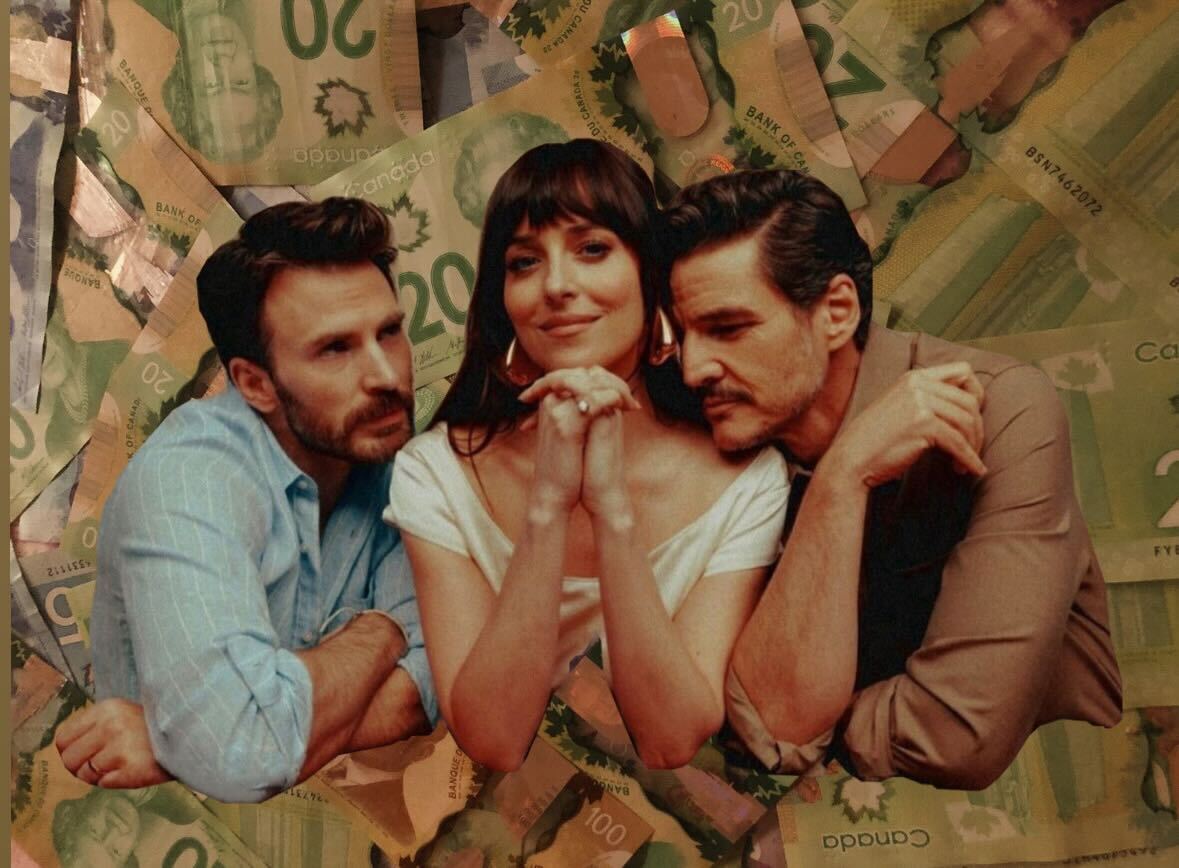
Early reactions to The Materialists have been as much about its themes as its star-studded cast. “Broke man propaganda needs to be stopped,” Letterboxd user anna said on the social media platform’s most popular review for The Materialists. Released in 2025, the film centers on practical matchmaker Lucy (Dakota Johnson), caught in a love triangle between her passionate ex-boyfriend, John (Chris Evans), and wealthy Harry (Pedro Pascal).
“Broke man propaganda” originates from dissatisfaction with the film’s ending, which depicts Lucy choosing love over fortune. Some viewers felt The Materialists encouraged women to “settle” for love from “broke” men. Social media users shared dissatisfaction with this premise. “She fumbled HARD,” wrote one TikTok user in a video with over 40,000 likes.
The implication of “propaganda” is broader than plot issues, pointing to disdain for clichéd romance narratives among Gen Z viewers, many of whom are pursuing less traditional dating and marriage habits than previous generations. For a cohort of young people facing declining marriage and birth rates, a movie such as The Materialist, which harps on the virtues of true love, may be less popular.
This disdain is evident in a central tenet of Gen Z humour—rage bait—designed to provoke reaction. On the internet, where negativity is more likely to go viral, rage bait fares well. The phrasing of “broke man propaganda” is pessimistic, attention-grabbing, and has populated headlines about The Materialists since its release.
‘Broke man propaganda’ grabbed the attention of Materialists director Celine Song. “I’m very concerned about the way that we talk about people who are poor,” Song said in an interview with Refinery29. She refers specifically to the “cruelty” of using the term “broke man propaganda” to describe John’s storyline.
“I think there is something about the classism about that—the hatred of poverty, the hatred of poor people—that is a very troubling result of the way wealthy people have gotten into our hearts,” Song said.
However, before decrying Gen Z as heartless, money-hungry, social climbers, it’s important to consider the cultural context of the ‘broke man propaganda’ trend.
Concerns about wealth have gotten to the hearts of Gen Z. Canada and other countries face a recession in 2025. The wealth gap reached a high of 49 per cent this year, according to Statistics Canada. It concludes that not every social media user who commented negatively about The Materialists is wealthy.
Additionally, this isn’t the first-time young people have spoken out online about love and money. 2024’s “looking for a man in finance” TikTok trend produced a viral sound encouraging women to choose a wealthy male partner.
Cultural attitudes which favour wealth and success seem to have prevailed in the case of The Materialists. It may help that wealthy Harry is played by Pedro Pascal, popular with younger fans for his personal charm and physical appearance. The “looking for a man in finance” audio describes the ideal man as “6’5, blue eyes”, similarly linking wealth and perceived attractiveness.
Vanity may be a driving force behind Gen Z’s rejection of The Materialists’ message—not just contempt for poor people. Equating wealth and beauty is a trend persistent in the age of the internet, where physical and lifestyle appearances affect how people are perceived online.
Finally, it’s important to consider that the internet’s opinion overload creates an echo chamber, not a place to communicate. “Rage bait” isn’t designed to provoke discussion; It’s designed to provoke outrage, which fuels more commentary, making online content more popular.
Gen Z humour is absurd and rapidly-evolving, making anecdotal trends difficult to analyze in the full scope of generational attitudes. “Broke man propaganda”, for all it says about Gen z’s attitudes toward marriage and wealth, originated as a throwaway comment. One of The Materialists’ other top comments on Letterboxd is “they had to memorize so many lines,” from user Karsten.
From this trend, one thing seems clear: Gen Z is ready for a new type of romance narrative—one that takes place in this generation’s ever-changing material world.
Tags
gen z, Internet culture, love, money
All final editorial decisions are made by the Editor(s) in Chief and/or the Managing Editor. Authors should not be contacted, targeted, or harassed under any circumstances. If you have any grievances with this article, please direct your comments to eic@queensjournal.ca.