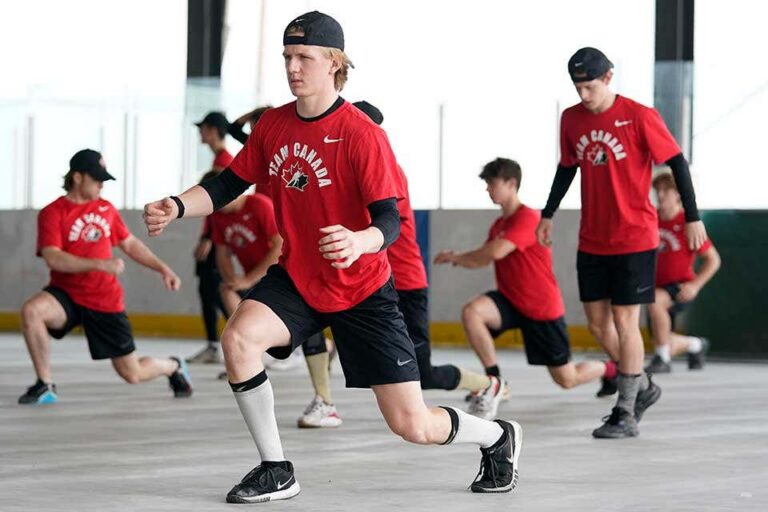
“Canada’s game” is drifting away from the core values it was built on.
Growing up as a small-town Ontario kid, hockey was the sport everyone played. Every town around had a minor hockey team at every level, whether it was C house (the lowest level) or Rep ‘B’ (the highest local level). The system was set up, and your kid would start at their local association.
As he grew up, he either continued with the association or, if he developed into a higher talent, he could try out for the elite-level teams. There was no right answer, there was no need to chase AAA aspirations, no need to move to be on the best team or league. If they were good enough, they would be found and level up.
Something changed in the Canadian hockey system early in the 2010s when the price of hockey rose to an unprecedented amount. Costs of low-level teams reached prices unaffordable to the average household, leading recreational players to turn to other low-cost sports. Whereas elite-level minor hockey teams have turned into a full-fledged business. Coaches reported in the Greater Toronto Hockey League(GTHL) getting paid over $25,000 to coach kids as young as 12 years old.
Families of elite-level hockey players could spend up to $20,000 per season with equipment costs, training costs and out-of-town tournaments, raising that figure. These high costs are all in the promise of their kid making it to the National Hockey League (NHL ) and making this investment worth it. This AAA culture has turned a healthy passion into a toxic, power-hungry struggle with big stakes on the line.
Once your kid has gone through the ranks of minor hockey, they’re then tasked to navigate the realm of junior hockey of over 18,000 hockey players across the country. Every player’s goal is to play at the highest level they possibly can. While the inter-competition between players exists, the teams are run in the interest of making money and therefore create a divide between player and team. This power divide has subsequently ruined lives, relationships, and careers in a system that only lets money talk.
All these modes of hockey have one thing in common: they’re all sanctioned and supported by Hockey Canada. As a structure, they’ve failed because of the bureaucratic over-centralized ways that have abandoned players and their families for the protection of their precious organization.
We all know how they’ve handled their business because of its coverage in the mainstream media, but yet we still, as a country that prides itself on being a hockey country, continue to let this organization systematically ruin the sport we’re conditioned to love.
An example of how broken the Hockey Canada model is can simply be seen by how they govern the way coaches are vetted. As a volunteer, you must spend over $1,000 in coaching training, just to coach U7 hockey, even if this volunteer has played hockey their entire life. Not only has Hockey Canada limited access to players who aren’t good enough to qualify for elite-level camps, but they’ve deterred volunteers at the lowest levels.
As a result, Minor Hockey participation in Ontario has gone down 25 per cent over the last 15 years. The cost of equipment, particularly sticks that break after one nick and skates, are similar to a mortgage payment. Disgruntled hockey parents now have to deal with elitism and the connections that come with it.
The experts will say that Canada is doing just fine because of the way Hockey Canada developed talents, like Connor McDavid and now the younger stars like Connor Bedard and Macklin Celebrini. But this isn’t about them. This is about the little kid from Thunder Bay, or Miramichi, or Fernie who won’t have access to play a game that is as rewarding and beautiful as it is tough and physical.
Unless you’re an NHL superstar in the making, Hockey Canada doesn’t care, and until there’s fundamental change, they never will.
Tags
AAA, hockey Canada, NHL, Ontario Hockey
All final editorial decisions are made by the Editor(s) in Chief and/or the Managing Editor. Authors should not be contacted, targeted, or harassed under any circumstances. If you have any grievances with this article, please direct your comments to eic@queensjournal.ca.