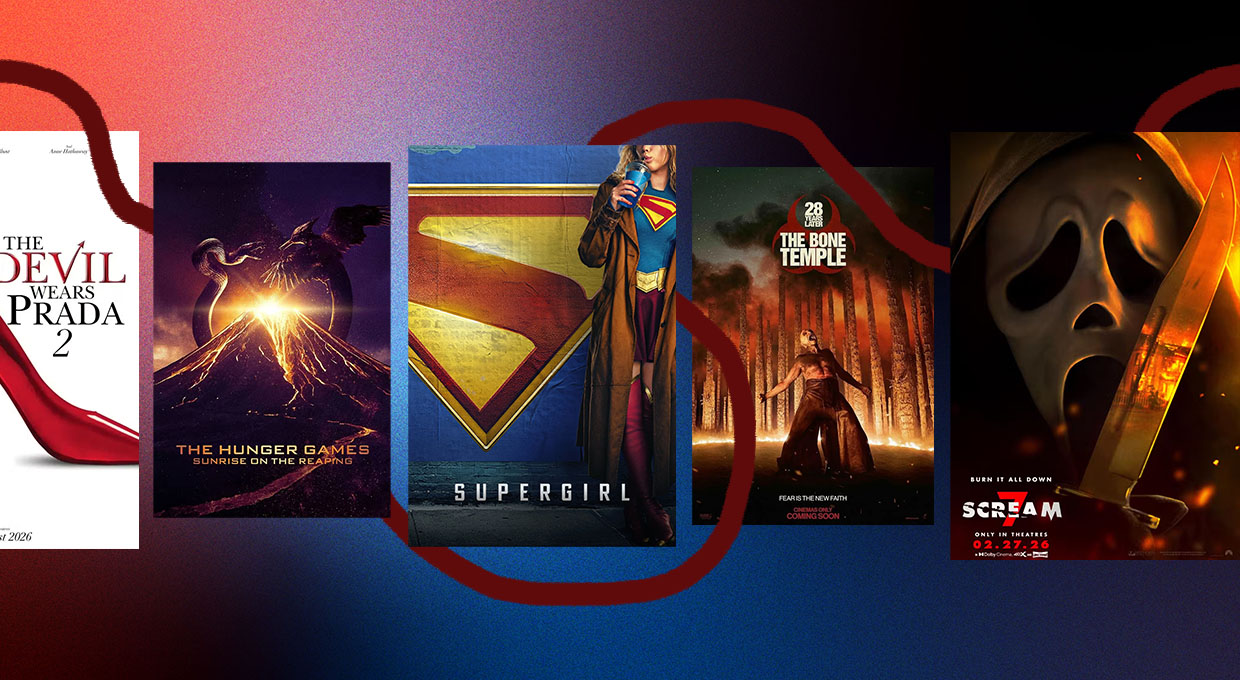
Nearly two-thirds of the films topping Hollywood’s 2026 anticipated movie lists are built on stories audiences have already seen before.
When Time published its “Most Anticipated Movies of 2026” list, it revealed an undeniably crowded cinematic calendar. But amid the noise of blockbuster announcements, one pattern stood out: sequels, remakes, adaptations, and franchise continuations dominated the slate, while truly original films made up less than two-fifths of the lineup.
Roughly 63 per cent of the most anticipated releases on the list are based on existing intellectual property, compared to just 37 per cent built from original ideas. The imbalance reflects more than a passing trend and points to a broader debate about Hollywood’s creative direction and the growing tension between financial security and artistic risk.
With modern blockbuster budgets regularly climbing into the hundreds of millions once marketing is factored in, major studios have become unwilling to gamble on untested concepts. Established properties offer built-in fan bases, merchandising potential, and global recognition, factors that make monetary returns feel more predictable.
While this strategy may stabilize balance sheets in the short term, it also reinforces a creative loop that leaves little room for experimentation. Last year, nine out of the 10 highest-grossing films were tied to preexisting properties. Industry overviews of recent box office performance show sequels and franchise entries consistently dominate top-grossing lists, while standalone, original films appear far less frequently. The result? An environment where originality’s no longer the norm, but the exception.
However, there are signs audiences are growing fatigued with repetition. Captain America: Brave New World, Marvel’s most recent instalment, received some of the franchise’s lowest critical scores and middling box office returns. Meanwhile, Disney’s Snow White remake struggled with controversy and an underwhelming reception, becoming one of last year’s biggest box office bombs.
For emerging filmmakers, the consequences are stark. Without the backing of recognizable brands or intellectual property, original projects are in decline as they face obstacles in funding, marketing, and wide theatrical distribution.
Still, the outlook isn’t uniformly bleak. A handful of anticipated 2026 releases signal continued interest in ambitious storytelling. Christopher Nolan’s forthcoming adaptation of The Odyssey suggests studios are still willing to invest in auteur-driven projects that reimagine classical material. At the same time, Robert Eggers’ upcoming werewolf film, an original screenplay anchored by high-profile cast members Anya Taylor-Joy and Willem Dafoe, demonstrates how originality can still generate mainstream excitement when paired with a distinctive enough creative vision.
Most people aren’t asking for a seventh Scream movie or for the fifth instalment in the Toy Story franchise, but Hollywood’s economic realities have pushed the industry toward the familiar. Whether studios respond by expanding the creative mainstream or continue to double down on legacy content may define the next era of cinema.
Tags
Entertainment, Hollywood, Media, Movies, original movies, sequels
All final editorial decisions are made by the Editor(s) in Chief and/or the Managing Editor. Authors should not be contacted, targeted, or harassed under any circumstances. If you have any grievances with this article, please direct your comments to eic@queensjournal.ca.