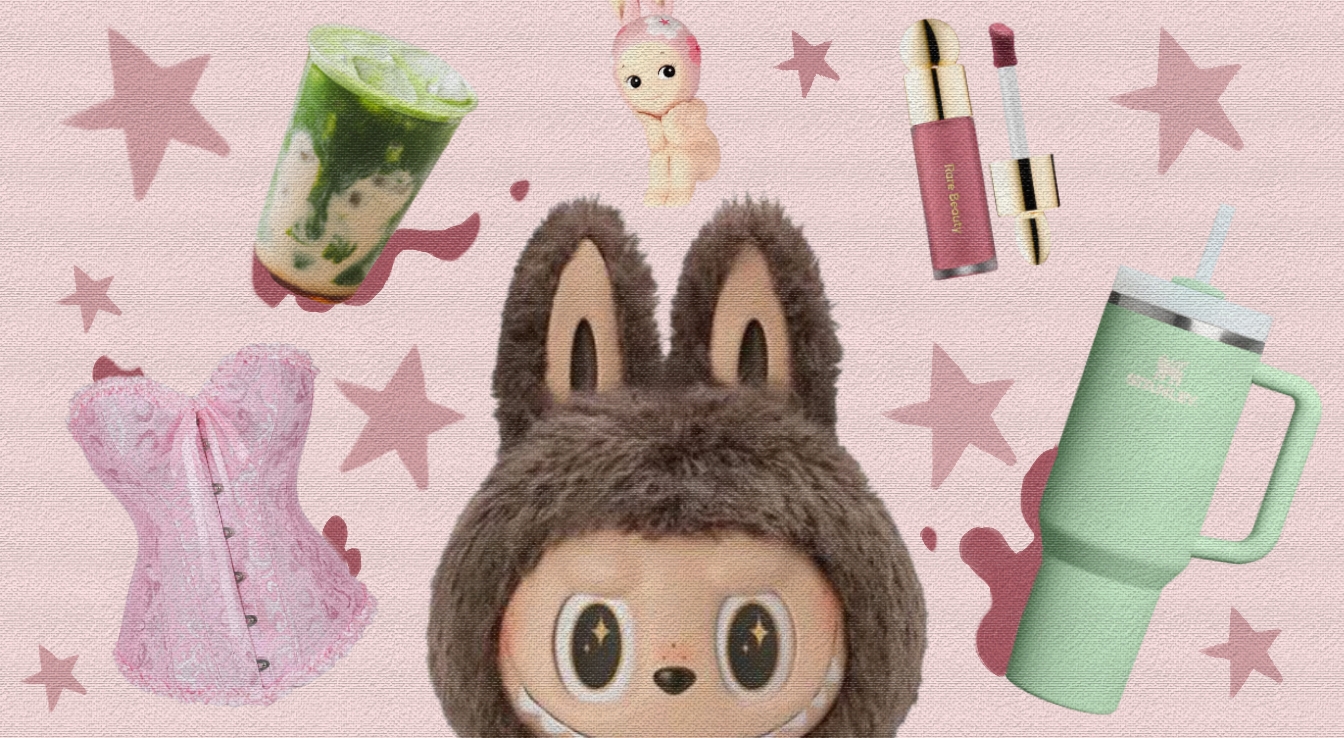
From “girl dinner” to “girl math,” Gen Z’s catchy labels aren’t just jokes; they’re a way to belong.
Feminized “girl” trends, popularized on social media, are micro-memes that tag everyday habits with the word “girl.” They often begin with a single creator, go viral as others remix and share their own takes, and fade quickly, only to be replaced by the next iteration. To outsiders, they’re throwaway internet jokes. To Gen Z, they’re cultural glue.
The appeal of “girl-themed” micro-trends isn’t just humour, it’s how they take everyday habits, like eating dinner or managing money, and exaggerate them through stereotypically feminine behaviours, fostering community and making mundane moments feel shareable online.
At their core, these trends follow a simple formula: attach the word “girl” to a familiar behaviour or aesthetic, and suddenly it becomes instantly meme-able. “Girl dinner” emerged from someone posting a random snack plate and calling it dinner. “Girl math” turned impulsive spending into logic: if something is bought with cash, it’s free. These trends derive power from how quickly they can be recognized, adapted, and re-shared. Algorithms love a pattern, and the “girl-themed” structure offers infinite variations.
And the magic hinge’s all on that one little word “girl.”
At first glance, it risks sounding infantilizing. But online, the term has been reclaimed, softened, and ironized. “Girl” here isn’t about immaturity but about community. It frames behaviours that might otherwise be seen as trivial or even embarrassing as worthy of celebration. Eating snacks for dinner becomes a shared ritual instead of a shameful secret. Impulsive budgeting logic becomes a reason to laugh, not something to hide.
Still, this trend isn’t flawless. By packaging habits as “girl” behaviour, these trends can subtly reinforce the idea that femininity is inherently frivolous, something to be laughed at, even if affectionately. Everyday behaviours get flattened into fleeting punchlines, leaving little room for personal nuance or genuine expression.What feels empowering in one moment can slip into a stereotype the next.
Yet these trends extend beyond “girls” themselves. People of all genders and sexualities participate, adopting the same labels in ways that emphasize belonging over exclusion. The feminized
micro-trends flatten gender into a playful entry point, a shared joke that transcends identity boundaries while still acknowledging the cultural baggage of femininity.
It’s a way of acknowledging stereotypes of behaviours associated with traditional femininity while laughing at them in unison.
The balance between irony and intimacy, stereotype and solidarity is what gives these fleeting memes staying power. While the word after “girl” disappears from feeds week after week, the instinct behind each micro-trend endures: to turn small quirks into collective language and transform internet jokes into digital belonging.
Tags
Gender, girl dinner, girl math, Social media, TikTok, trends
All final editorial decisions are made by the Editor(s) in Chief and/or the Managing Editor. Authors should not be contacted, targeted, or harassed under any circumstances. If you have any grievances with this article, please direct your comments to eic@queensjournal.ca.