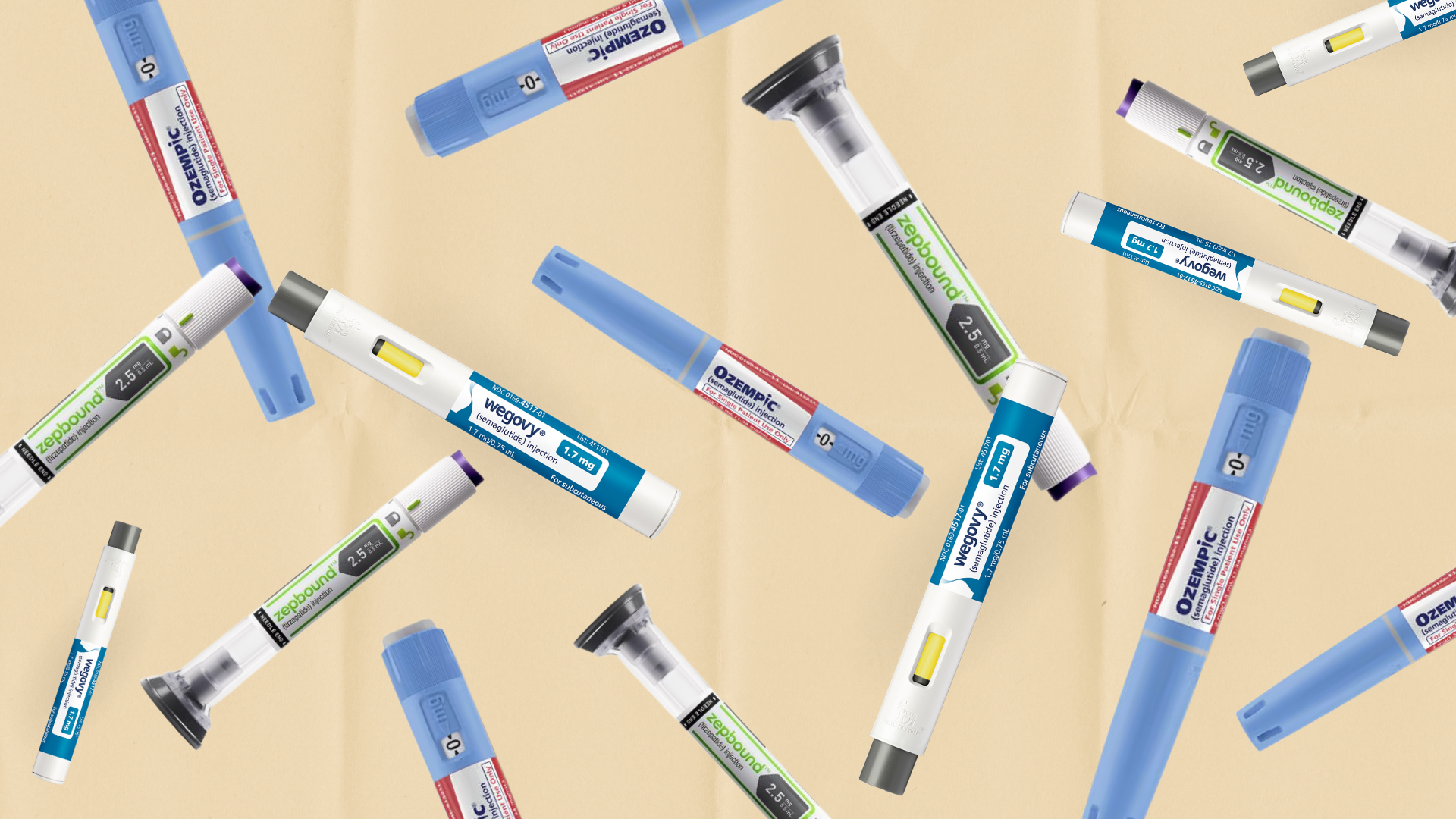
In recent years, relatively newfound weight loss drugs have become increasingly cosmetically used, and the number of celebrities using these drugs may be perpetuating its popularity.
From 2020 to 2023, the number of 12-to-17 year olds using GLP-1 RAs (a class of weight loss injection) increased by 588 per cent for females and 504 per cent for males. This rise could be explained by an increasing comfortability in expressing drug use for weight loss by many celebrity and influencer personalities. Although originally intended as treatments for health problems such as Type 2 diabetes or obesity, instead they seem to be promoting the idea of an arguably unattainable “perfect body.”
Common weight loss drugs and injections include Ozempic, Wegovy, Zepbound, and Mounjaro , which are all commercially available. As time has progressed since their release, these drugs have proven effective for many as an easy and efficient cosmetic weight loss method. Accordingly, a multitude of celebrities have come out as undergoing drug-assisted weight loss, namely Oprah Winfrey, Chrissy Teigen, Serena Williams, Lizzo, and James Corden. A shift is occurring in the world of body image, with drug-assisted weight loss being an appealing, yet unnatural, method for many individuals to get slimmer.
Undoubtedly, body image is a sensitive topic for many, and some individuals may have valid reasons for utilizing commercial drugs to lose weight. For instance, Chrissy Teigen, American model and TV personality, explained her difficult transition to Ozempic following a miscarriage after 15 weeks of carrying her baby, Jack. Teigen described the hardships of dealing with her weight gain acting as a reminder of the loss of her child, saying, “there I was, existing in a body that didn’t feel like mine, with absolutely nothing to celebrate”.
Despite this valid expression of one’s association between body image and their mental wellness, celebrities stand in a unique position where their lifestyles inform the popular decisions of the public, and a misuse or unnecessary use of weight-loss drugs from those with a large public following should be addressed.
Although the rise of drug-assisted weight loss in media may make the method appealing to viewers, there are some important side effects to be considered. In particular, if effective, an individual will likely have to stay on these drugs for the rest of their lives, which can have heavy financial implications as injections cost around $12,000 a year in the U.S.
Moreover, if one decides to stop use, the weight that was lost is often gained back quickly. Additionally, increasing popularity of these weight-loss drugs has led to shortages for those who truly need them, potentially putting others’ lives at risk, and for users themselves, although rare, adverse health complications, including pancreatitis, vision problems, and gastrointestinal issues, can arise.
While the decision is up to each individual on what to do with their body, it must be considered that the advent of increased drug-assisted weight loss is altering the meaning of body positivity by creating the idea of a ‘perfect body’. American actress, Ashley Tisdale, expanded on this, saying: “The 2010s brought body positivity, and now it’s like we’re back to chasing ultra-slim everything. We keep moving the goalposts and it’s exhausting.”
Celebrities and their lifestyles undeniably have influence over the decisions that one may make, however it is important to not hold these people and their decisions on a pedestal. Unnatural methods of weight loss can come with serious implications, and it is important to understand that the public has the power to control and take back the narrative of body positivity.
All in all, celebrity action, while enticing, doesn’t have to create the narrative that a healthy body is a slim one.
Tags
Body positivity, celebrities, GLP-1, Health, Ozempic, Pop Culture, Wegovy, weight loss, Wellness
All final editorial decisions are made by the Editor(s) in Chief and/or the Managing Editor. Authors should not be contacted, targeted, or harassed under any circumstances. If you have any grievances with this article, please direct your comments to eic@queensjournal.ca.