Too often, Indigenous characters are missing or trapped in media’s stereotypes.
For a long time, I’ve noticed a divide between how my Indigenous identities exist in the real world and how they‘re portrayed in mainstream media, which shows Indigenous characters sporadically at best, while reducing them to basic stereotypes during their limited appearances. By restricting Indigenous people to stereotypical roles and narratives, the mainstream media effectively denies them the right to participate in popular entertainment spaces like non-Indigenous audiences do.
The absence of Indigenous characters in most media is telling enough, while at the same time, we lack Indigenous characters whose identity isn’t their defining trait. Instead of being fully realized characters with varied stories, flaws, and personalities, Indigenous characters tend to be relegated to the realm of stereotype.
Popular stock characters like the wise elder, the stoic warrior, and the princess have become the dominant form of Indigenous inclusion in fiction. Many of the most recognizable Indigenous characters from pop culture, like The Lone Ranger’s Tonto and Disney’s Pocahontas, fit into these molds. Not only do these stereotypes conflate unique Indigenous cultures and people into recognizable symbols, but they also limit audience understanding, reinforce prejudices, and deny Indigenous actors the opportunity to portray the full complexity of their communities.
Studies confirm that when Indigenous people are represented, if at all, they’re often portrayed as figures of the past or associated with modern issues of poverty, addiction, and trauma. The lack of character depth and accurate reflection is especially frustrating for someone like me, who wants to pursue a career in the performing arts. I’m proud of my Indigenous heritage, but I don’t want it to become a box that limits the roles I’m offered.
Too often, Indigenous actors are restricted to cultural symbols or stories of suffering. A report from MediaSmarts on common portrayals of Indigenous people in Canadian media notes that Indigenous characters are “almost always cast in supporting roles or relegated to the background and are rarely allowed to speak or display their complexity and richness as human beings.” If I’m to spend my life working on stage or screen, I want to embody characters who are fully human, not convenient representations of misunderstood identities.
The lack of complex Indigenous representation in Western media is precisely why Indigenous-led storytelling matters. When Indigenous creatives lead projects, the result is not only better representation, but better art for everyone. Even though Reservation Dogs, created by Sterlin Harjo and Taika Waititi, is built from Indigenous experiences, anyone can enjoy the show for its humour, emotional depth, and relatable struggles.
Indigenous-led projects like Reservation Dogs allow Indigenous people to tell their own stories with nuance. The show features an all-Indigenous writers’ room, Indigenous directors, and a predominantly Indigenous cast. Reservation Dogs is a prime example of Indigenous storytelling, while still having a broad appeal because of its themes and genuinely funny writing.
Investing in Indigenous creators isn’t about checking a diversity box. It’s about portraying us with respect and accuracy. Canada and the U.S. were built on the suppression and erasure of Indigenous peoples, and the modern stories we tell in entertainment can either continue that erasure or challenge it.
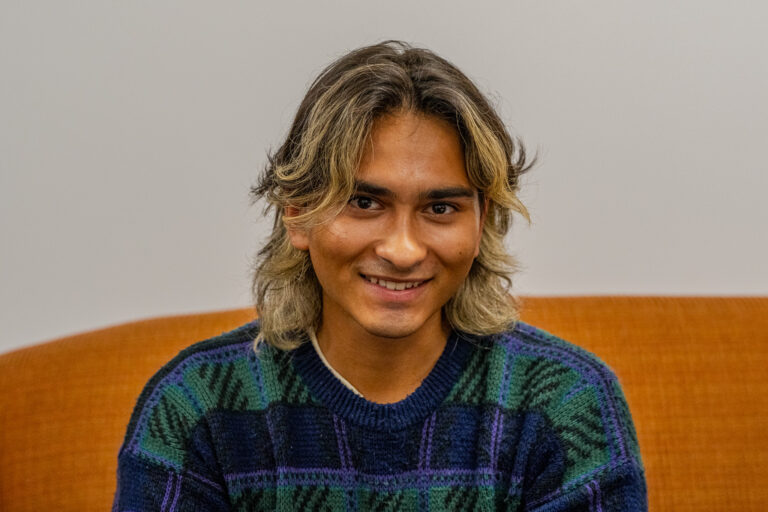
Daniel is a second-year English and Drama student and The Journal’s Assistant Arts and Culture Editor.
Tags
Indigenous representation, Media, T.V.
All final editorial decisions are made by the Editor(s) in Chief and/or the Managing Editor. Authors should not be contacted, targeted, or harassed under any circumstances. If you have any grievances with this article, please direct your comments to eic@queensjournal.ca.