This article discusses terminal degenerative illnesses and medically assisted dying, which may be upsetting for some readers.
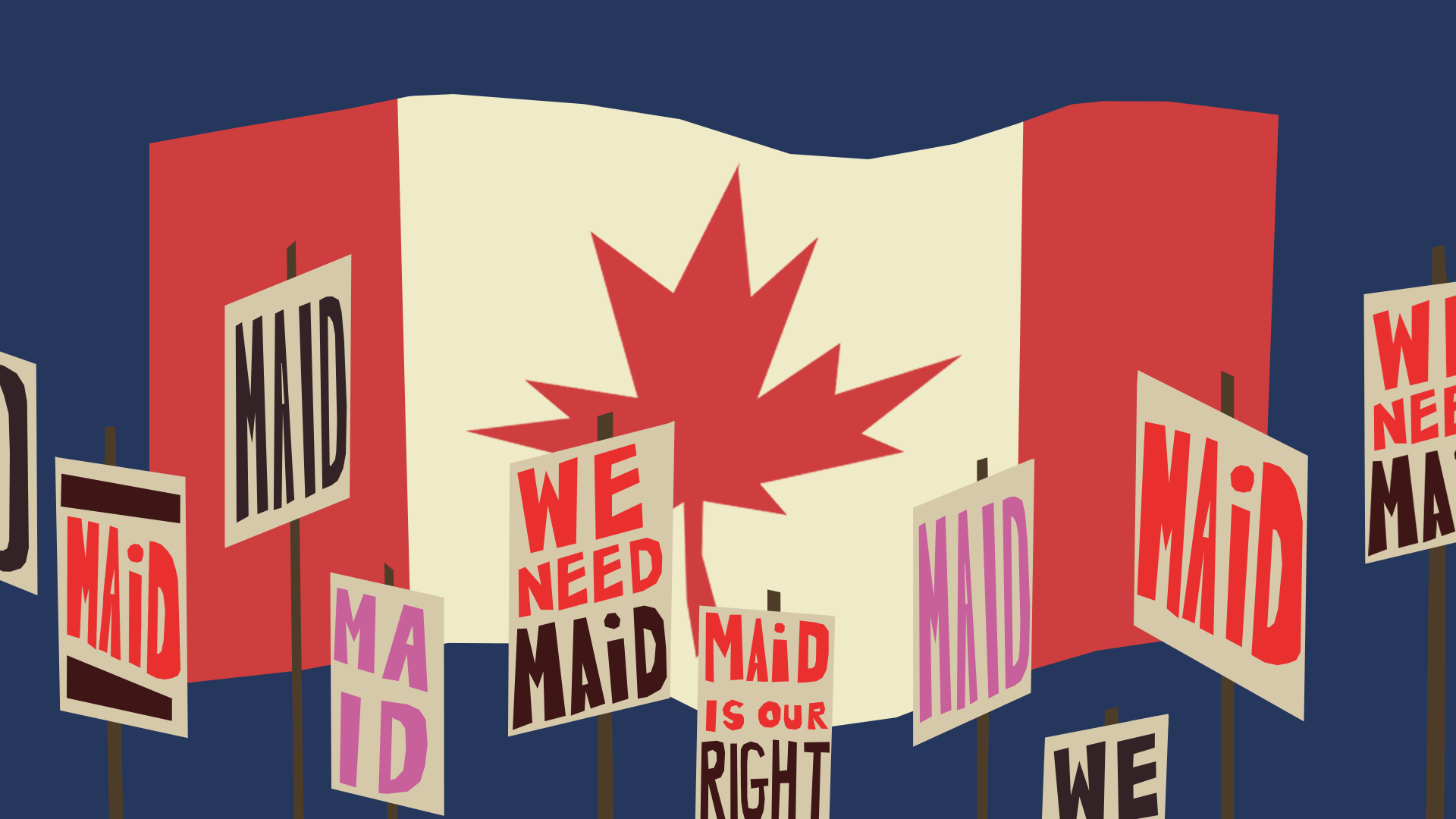
Canada’s MAID debate has reshaped how we understand end-of-life care.
Nine years ago, the famous Carter vs Canada case set the legal precedent for allowing Medical Assistance in Dying (MAID). Since 2016, more than 60,000 Canadians have received an assisted death, and many more have expressed gratitude just to know the option exists. Though it must be legislated with care, MAID gives Canadians the important option to make autonomous decisions about their own life and death.
Now that Canadians have the option to choose MAID, the jurisprudence on medically assisted death has elicited conversations about the appropriate use case for MAID. In 2021, the House of Commons revised a bill to expand assisted dying to those suffering from mental health illnesses. The Senate recommended an expert review, and the temporary exclusion is set to expire in March 2027.
As the deadline approaches, Canadian clinicians and policymakers must seriously consider what capacity assessments and supports are necessary for someone to be considered for MAID.
Discussions surrounding MAID must be approached carefully to ensure all applicants decide to receive assisted dying on their own accord. In 2022, Veteran Affairs Canada (VAC) investigated one employee who recommended MAID to a veteran seeking treatment for post-traumatic stress disorder and a traumatic brain injury. Though the case was found to be an isolated incident, it’s important to train clinicians working in vulnerable sectors on how to properly navigate conversations about MAID.
Debates around expanding MAID raise questions about what society considers healthy. Health shouldn’t be understood as a product of social determinants like income, housing, or access to timely care. For many people suffering from mental illness and disabilities, inadequate accommodations and social attitudes make daily life difficult. Debates about expanding MAID must be accompanied by increasing access to mental health resources and social services.
Social services for individuals with disabilities include the federal Canada Disability Benefit, Canada Pension Plan, and Child Disability Benefit. The Canadian Mental Health Association (CMHA) offers support for Canadians suffering from mental illnesses. Even with these supports in place, Canada’s Social Progress Index, a measure of foundational well-being, has dropped five percentage points in the last year.
Following the 2021 bill and 2022 VAC investigation, a common misconception is that MAID is a slippery slope leading to premature decisions on when to receive an assisted death. On the contrary, Canada has robust legislation regarding assisted dying, ensuring only those with progressive terminal diagnoses who wish to pass peacefully are given the option. In Canada, there were 19,660 MAID requests in 2023, and 15,343 provisions, meaning only 78 per cent of applicants received an assisted death.
The MAID conversation is, at the bottom line, one of autonomy. The question isn’t whether MAID should exist, but how it can be appropriately implemented. MAID is an important element of human dignity, but must evolve alongside Canadians’ understanding of health, ensuring no one chooses an assisted death because they haven’t been provided with the opportunity to live well.
Tags
Canadian politics, Healthcare, MAID, Medically Assisted Dying
All final editorial decisions are made by the Editor(s) in Chief and/or the Managing Editor. Authors should not be contacted, targeted, or harassed under any circumstances. If you have any grievances with this article, please direct your comments to eic@queensjournal.ca.