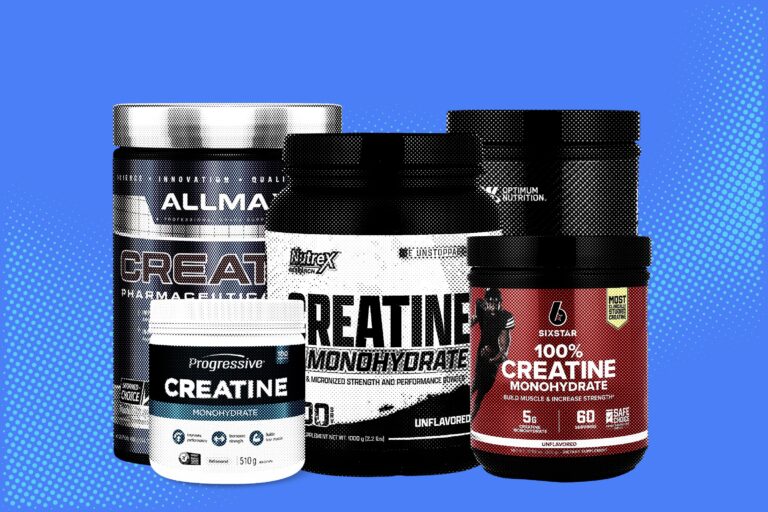
Walk into the ARC on any given afternoon, and there’s a strong chance that someone has a tub of creatine in their gym bag.
Denton Short, ArtSci ’27 and a sales associate at Popeye’s Supplements, told The Journal that the Kingston store sells anywhere from about 10 to 40 creatine tubs a day, or more during discounted sale periods.
For years, the supplement has helped active gym users increase strength and build muscle. Amid a market crowded with ineffective supplements, creatine is one of the most extensively researched sports supplements, with limited to no negative effects. As more research emerges surrounding creatine, researchers are looking into whether it could help students beyond the gym through cognitive benefits.
Creatine is a natural compound that the body produces on its own, which is also found in foods such as meat and fish. In muscles, creatine helps replenish the energy used during short, intense bursts of effort, potentially allowing users to squeeze out a few extra reps. Over time, this can contribute to greater muscle growth, which is why creatine is so popular among lifters and athletes.
“Creatine’s probably got the safest profile of any supplement, and it’s got a significant amount of evidence to show that it works. It has very clear effects on exercise performance, mainly because it allows you to train harder,” said Chris McGlory, an assistant professor in the Department of Kinesiology in an interview with The Journal.
According to McGlory, creatine is one of few reliable supplements, which sometimes leads to a misconception that the supplement is harmful.
“[There are many supplements that], despite the marketing and the hype and everything else, they typically don’t work very well. As creatine has a very noticeable positive effect on performance, it typically [gets miscategorized as] a drug,” he said.
“It’s not that [all supplements are] a scam. It’s just that new studies are coming out, and our understanding of science is getting a lot better, and we’re coming to the realization that simpler is just better. Creatine is one of those things that is super effective, unlike the majority of things on a supplement store shelf,” Short said.
Andrew McHardy, Sci ’28, has been taking creatine on and off for about a year and two months.
“I started because I went to the gym and wanted to improve recovery,” McHardy said in an interview with The Journal. “Also, some studies say it helps cognitive function.”
Spencer Dunnigan, Comm ’28, has been taking it for about a year, with a few week-long breaks.
“I saw a lot of posts on social media explaining its benefits, both physically and potentially cognitively, and how it’s one of the most studied and safe supplements,” Dunnigan said. “A lot of my friends were on it as well.”
As alluded to by Dunnigan and McHardy, muscles aren’t the only part of the body that runs on the energy system. The brain eats up enormous amounts of energy and uses creatine as an emergency energy helper. Creatine is converted into phosphocreatine in the brain, and when we experience intense thinking or mental fatigue, phosphocreatine helps quickly regenerate adenosine triphosphate (ATP), the molecule brain cells use for energy.
This has led researchers to study whether supplementing could support memory and focus as well, specifically when the brain is under high energy usage and strain.
One of the most significant findings for students involves sleep deprivation. In a study published this past spring, researchers found that a single dose of creatine noticeably decreased the negative cognitive effects that come with lack of sleep. For students who pull an all-nighter studying for exams, this idea can be intriguing.
“There are a ton of benefits [to creatine] whether you work out or not. I mean, if your body is more efficient at processing energy, it’s just going to, you know, work better, to put it simply. I would say that though the workout industry has monopolized it, there is still a ton of benefits for everyone else,” Short said.
Short has noticed that in the past one to two years, he’s noticed more non-gym goers visiting Popeye’s in search of creatine, which he attributes in part to the “neurological benefits coming out.”
McHardy, however, is skeptical of the brain research.
“I don’t believe it entirely,” he said. “I think the studies show this simply because when people start taking creatine, they want to be healthier and more active, and they also drink a lot more water, and this results in increased cognitive function.”
Dunnigan hasn’t noticed a difference either.
“No noticeable mental benefits for me, so it’s hard to say,” he said.
Scientists have not recommended creatine as a study aid yet. A 2026 study showed that while creatine may help the brain under certain types of stress, more extensive research is needed before broader claims about mental benefits can be made.
Part of the challenge is that the brain absorbs creatine taken through supplements less quickly than muscles do, so the process does not yield identical results.
For students, that means the most reliable ways to study for exams remains the same: sleep, regular meals, and staying active. Although it is true that creatine is generally considered one of the most well-studied supplements in the world, anyone considering the supplement for reasons beyond the gym may want to consider waiting for further evidence to be released.
“The benefits [of creatine] are very clear for those people who perform exercise, but the evidence for a real detectable or significant beneficial effect for people who don’t exercise is very small,” McGlory said.
He recommends creatine for competitive athletes who are training and have the budget.
Tags
All final editorial decisions are made by the Editor(s) in Chief and/or the Managing Editor. Authors should not be contacted, targeted, or harassed under any circumstances. If you have any grievances with this article, please direct your comments to eic@queensjournal.ca.