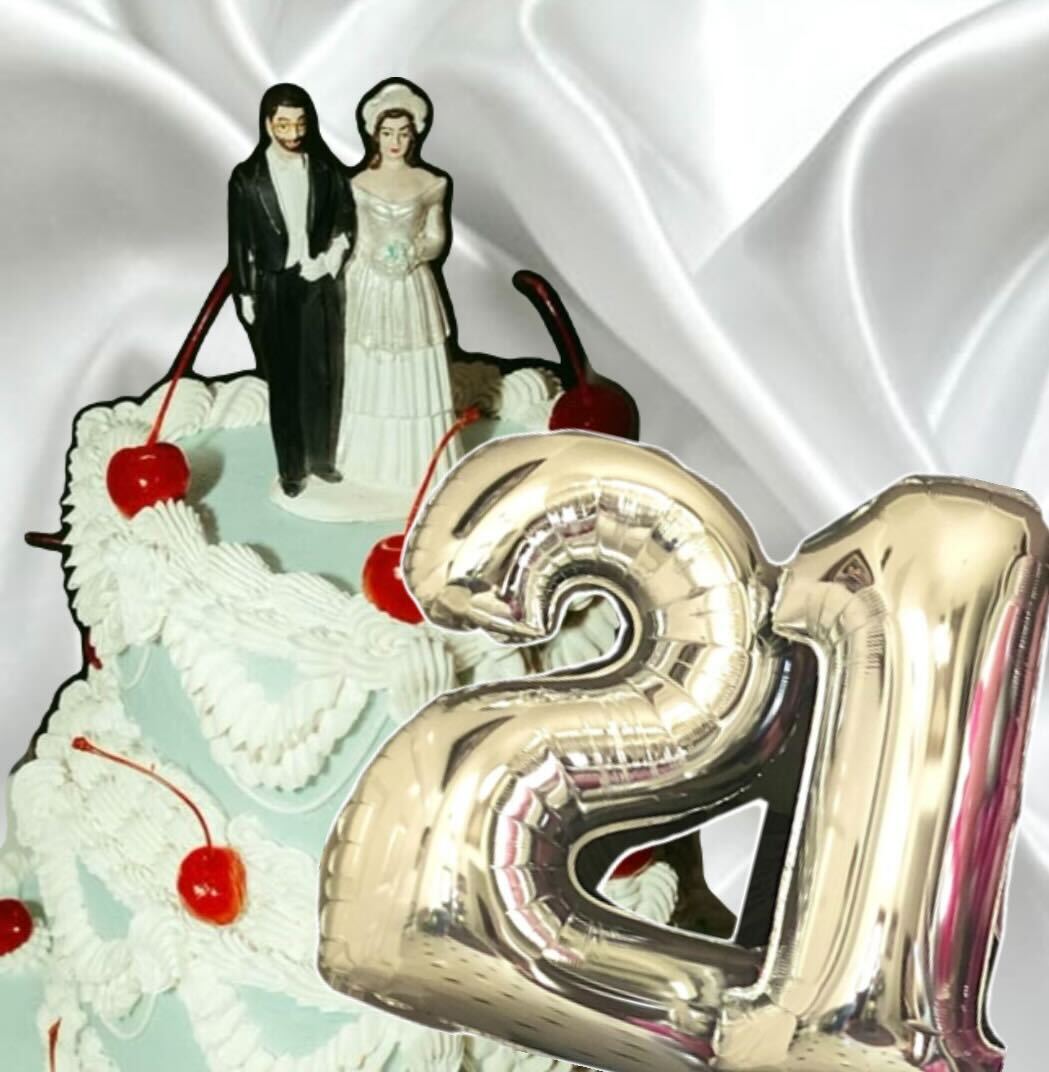
My feed has turned into a cascade of veils, vows, and vintage filter wedding rings.
Lately, and even more so with the influence of teen dramas like The Summer I Turned Pretty, which features a surprise engagement between college-aged characters Belly and Jeremiah, it seems more and more people in their early twenties are saying “yes” to forever. Right now, in the thick of university life, before graduation caps have even been ordered, some of my friends have already booked venues and mailed out save-the-dates.
That moment didn’t just raise eyebrows, it flipped the script. Suddenly, getting married young was the new rebellion.
Despite the fantasies, rom-coms, and curated social media feeds, the statistics tell a different story from what they seem. In Canada, for example, the average age of first marriage hovers around 30. While this hardly signals a mass movement, the feeling of a trend can’t be dismissed so easily; perception, after all, has a way of shaping norms. Social media collapses scale, making a handful of early engagements look like an avalanche.
It’s worth asking then who this fantasy serves. Romantic ideals often blur with cultural trends, especially for young women. Sometimes there’s an aesthetic pressure. The “trad wife” revival has given marriage a glossy rebrand: prairie dresses, curated domesticity, cooking for your husband. It’s marketed as stability wrapped in romance, an antidote to the chaos of being young. This correlates with the rise in conservative content across algorithms online, even for users who don’t choose this content.
Making real-life choices based on content you can’t control is a bad idea. First marriages under the age of 25, for example, are more likely to end in divorce. When you’re twenty-one and still Googling how to unclog a toilet, seeing people your age commit to “forever” can spark a quiet panic.
Maybe that’s part of why early marriage feels so appealing right now, is the sense of stability it offers in a world that won’t stop wobbling. After years of pandemic uncertainty, political upheaval, and a cost-of-living crisis, there’s something undeniably comforting about the idea of locking down at least one thing.
Love becomes the antidote to chaos, a neatly packaged future you can hold in your hand, sparkle included.
Sharing stable commitments online, engagements, anniversaries, couple photos, can start to feel like proof of being lovable, mature, or somehow “ahead” in life, and when everyone else seems to be moving on in their life, standing still can feel a lot like falling behind. That’s when the fear of missing out kicks in, not about missing weddings, but about missing the mythic soulmate storyline entirely.
But the quest for fulfillment doesn’t start and end with relationships. Scrolling past yet another engagement post, I try to resist panic. There’s no race. Most of us are still drafting the outlines of our lives: careers, friendships, cities, selves. Investing in other meaningful aspects of life redirects fears about “missing out” on relationship milestones. At the end of your twenties, there can still be wedding rings.
Love can be beautiful at 21. But forever’s a story worth taking your time with.
Tags
Culture, Engagement, Marriage, The Summer I Turned Pretty
All final editorial decisions are made by the Editor(s) in Chief and/or the Managing Editor. Authors should not be contacted, targeted, or harassed under any circumstances. If you have any grievances with this article, please direct your comments to eic@queensjournal.ca.