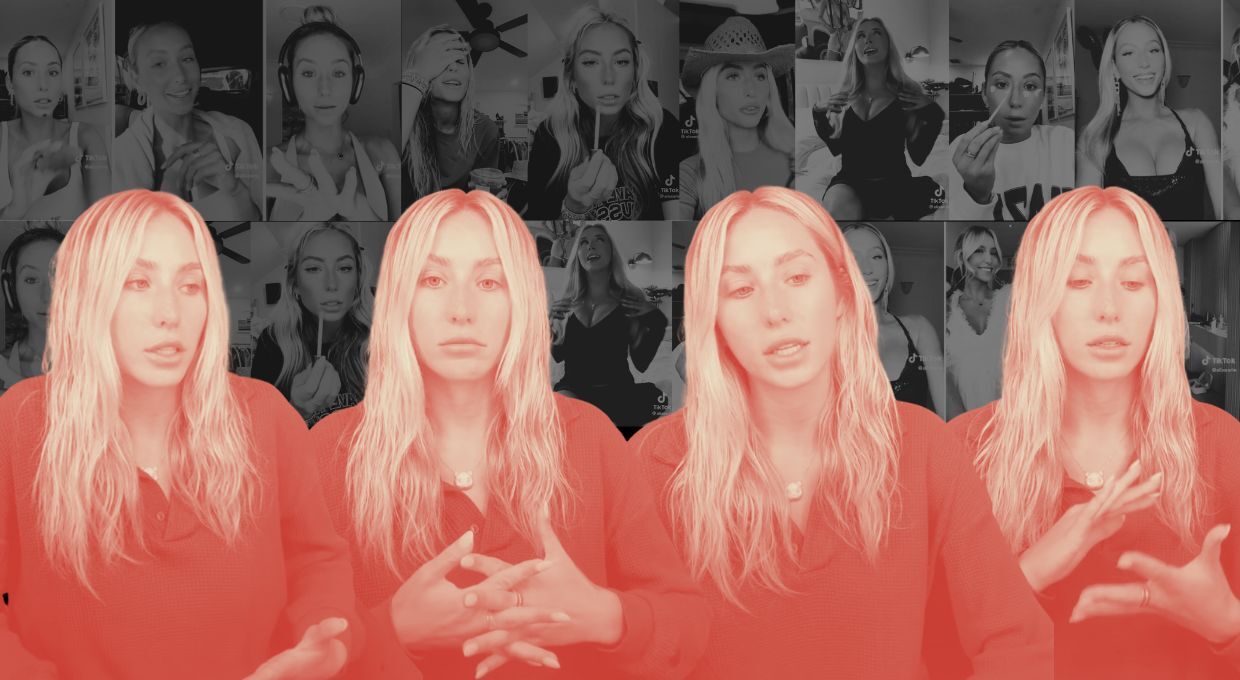
Alix Earle’s shallow apology and rapid return to her lavish lifestyle highlight a troubling trend of superficial accountability among celebrities.
Social media influencer, Earle rose to fame from her “Get Ready With Me’” (GRWM) videos as a college student at the University of Miami. She recently faced backlash when screenshots from her old ask.fm account surfaced, showing her using a racial slur in 2013. Despite the circulation of these screenshots online, Earle’s delayed and perfunctory apology carried little weight.
In her apology video posted on Instagram and later on TikTok, Earle expressed that she is “so, so sorry” for using the slur and for “letting her audience down.” She insisted this isn’t how she speaks now or what she stands for. Yet, within hours of posting her apology video, she was back to posting her typical GRWM content, seemingly unscathed by the controversy. She even acknowledged how strange it was to be posting regular content during this time.
Earle’s rapid return to her usual content is nothing new, in fact, it’s a pattern we see all too often: celebrities issue a quick apology, face minimal backlash, and continue their lives as if nothing happened.
Two years ago country singer Morgan Wallen was caught on camera using a racial slur. Initially, it seemed his career was over—his record label suspended his contract, fellow artists criticized him, several radio stations dropped his music, and he was unwelcome at award shows. Yet, within days, Wallen was back at the top of the charts experiencing a 1,220 per cent increase in digital album sales and a 327 per cent increase in song sales—his fans eager to forgive and forget.
Similarly, in 2014, Madonna posted a photo of her son on social media with a caption including the N-word. After immediate backlash, she removed the post, claiming the word was used “endearingly” a defense that is both baffling and offensive. She’s not alone. Celebrities like Paris Hilton, Gigi Hadid, Camila Cabello, Hannah Brown, and Hulk Hogan have all been caught using racial slurs. Despite the uproar that follows, meaningful consequences are rare.
This cycle of minimal accountability is fueled by the tendency to dismiss these incidents, claiming they were too young to fully understand the gravity of their words. However, being young, influenced, or peer-pressured does not excuse the use of such harmful language.
The impact of these words, given their historical context of oppression and racism, cannot be diminished by these defences, and apologies or excuses shouldn’t overshadow the need for genuine understanding and accountability for the harm caused.
The N-word, a racist and offensive slur, has been used throughout history to demean, humiliate, and degrade Black people. For most Black people, the word invokes immense trauma, pain and grief, carrying the weight of centuries of oppression, violence, and dehumanization.
By continually accepting these superficial apologies, we send a message that such harmful behaviour is forgivable with a few empty words. The public places an unspoken trust in celebrities and influencers to understand the significance of their words and the impact they have on their massive platforms. Yet time and again, this trust is broken.
The real challenge lies in moving beyond this cycle of disappointment. True accountability requires more than a few sentences on social media, it demands deep reckoning with the harm caused and tangible steps to make amends. Until we, as fans and consumers, stop accepting these shallow apologies, celebrities will continue to escape meaningful consequences.
The focus should shift from mere expressions of regret to meaningful actions that reflect a genuine change in perspective and commitment to change. Only then can we expect to see more thoughtful and responsible discourse, both from public figures and as a society.
Tags
accountability, celebrity, Controversy
All final editorial decisions are made by the Editor(s) in Chief and/or the Managing Editor. Authors should not be contacted, targeted, or harassed under any circumstances. If you have any grievances with this article, please direct your comments to eic@queensjournal.ca.