As Hollywood wraps up another awards season celebrating cinematic excellence, a different kind of ceremony has also crowned its winners, not as films recognized for artistic achievement, but for spectacular failure.
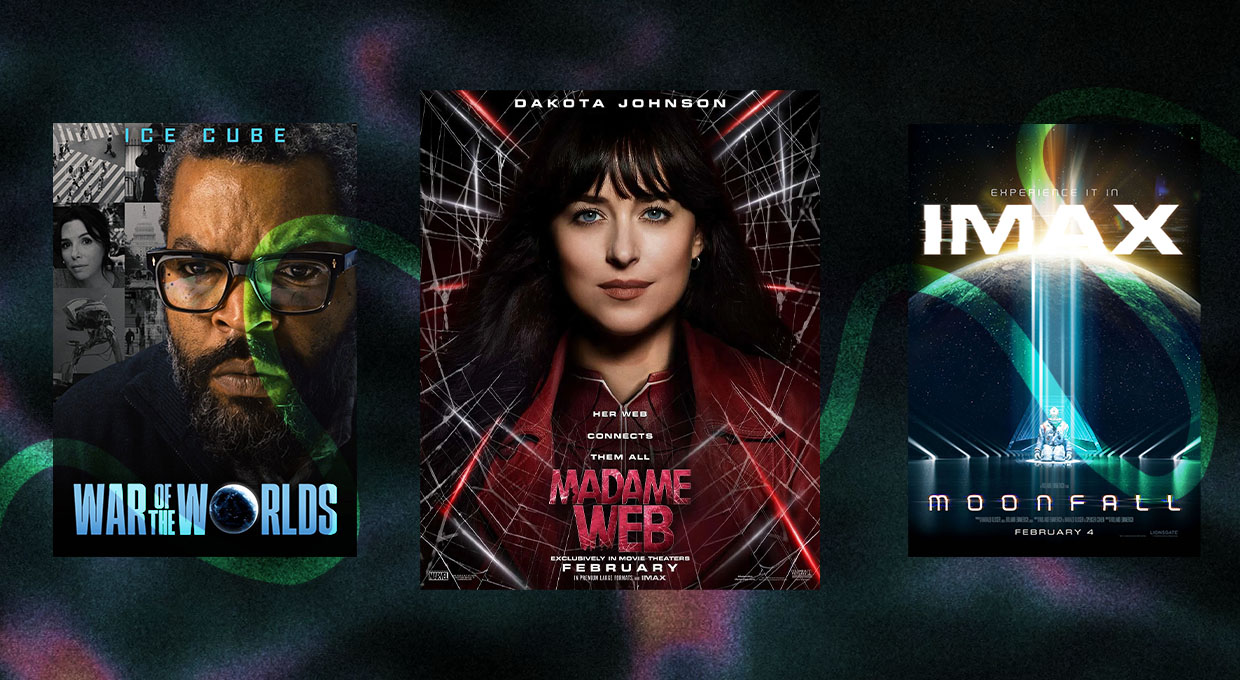
At the 46th Golden Raspberry Awards, a satirical ceremony dedicated to commemorating cinematic misfires, 2025’s War of the Worlds dominated the evening. The film won five of its six nominations, including Worst Screenplay, Worst Remake, Worst Picture, Worst Director, and Worst Actor. While the Razzies are designed as parody, their results raise an interesting question about why audiences often enjoy movies that critics and awards bodies label objectively bad.
The appeal of a “so bad it’s good” movie lies in its unpredictability. Prestige films aim for perfection, carefully balancing every aspect of filmmaking. Bad movies, however, often collapse under the weight of their own ambition. Dialogue becomes unintentionally hilarious, plots fall apart, visual effects feel strangely unfinished, and performances veer into melodrama. Rather than alienating viewers, these flaws can turn watching into a communal experience where everyone is in on the joke.
War of the Worlds exemplifies the phenomenon of unserious movies becoming likable. Intended as a serious science-fiction spectacle, the film instead became memorable for its uneven pacing, baffling creative decisions, and earnest but questionable performances, particularly from star Ice Cube, that never quite align with the source material. Watching it with friends transforms its nonsensical story into something genuinely entertaining.
High entertainment values from low-grade cinema aren’t new. Films like Moonfall, Roland Emmerich’s gravity-defying disaster epic, gained popularity precisely because of their excess. The movie’s increasingly implausible revelations about the Moon’s true nature, combined with its reliance on familiar tropes and clichés, push audiences past disbelief and into delighted absurdity. Similarly, Madame Web became an internet sensation less for its superhero storytelling than for its stilted dialogue and oddly edited action sequences, inspiring memes that arguably extended its cultural lifespan far beyond its theatrical run.
Watching bad movies also changes how audiences engage with cinema itself. When a film fails, casual viewers often become more active participants, analyzing what went wrong and why. Instead of passively absorbing a polished narrative, audiences critique pacing, performances, and production choices in real time. Ironically, poorly received films can become unexpectedly educational, offering insight into how filmmaking works and demonstrating how easily it can fall apart.
There’s also comfort in cinematic imperfection. Awards season often emphasizes seriousness and artistic legitimacy, creating an unspoken pressure to watch the “right” films. Bad movies disrupt that hierarchy. They remind viewers that entertainment doesn’t need to be profound or technically flawless to be worthwhile. Sometimes, enjoyment comes from watching ambitious ideas collide with imperfect execution in spectacular fashion.
The Golden Raspberry Awards may exist as a parody of Hollywood’s self-congratulation, but they highlight an important truth: failure has value. Films like War of the Worlds, Moonfall, and Madame Web endure precisely because they provoke laughter, disbelief, and conversation, reactions many competently made but culturally forgettable films never achieve.
In the end, a bad movie can still be a great time. As awards season closes, audiences might consider adding at least one cinematic disaster to their watchlist, not despite its reputation, but because of it.
Tags
bad cinema, bad movies, cinema, Film, Madame Webb, Movies, War of the Worlds
All final editorial decisions are made by the Editor(s) in Chief and/or the Managing Editor. Authors should not be contacted, targeted, or harassed under any circumstances. If you have any grievances with this article, please direct your comments to eic@queensjournal.ca.