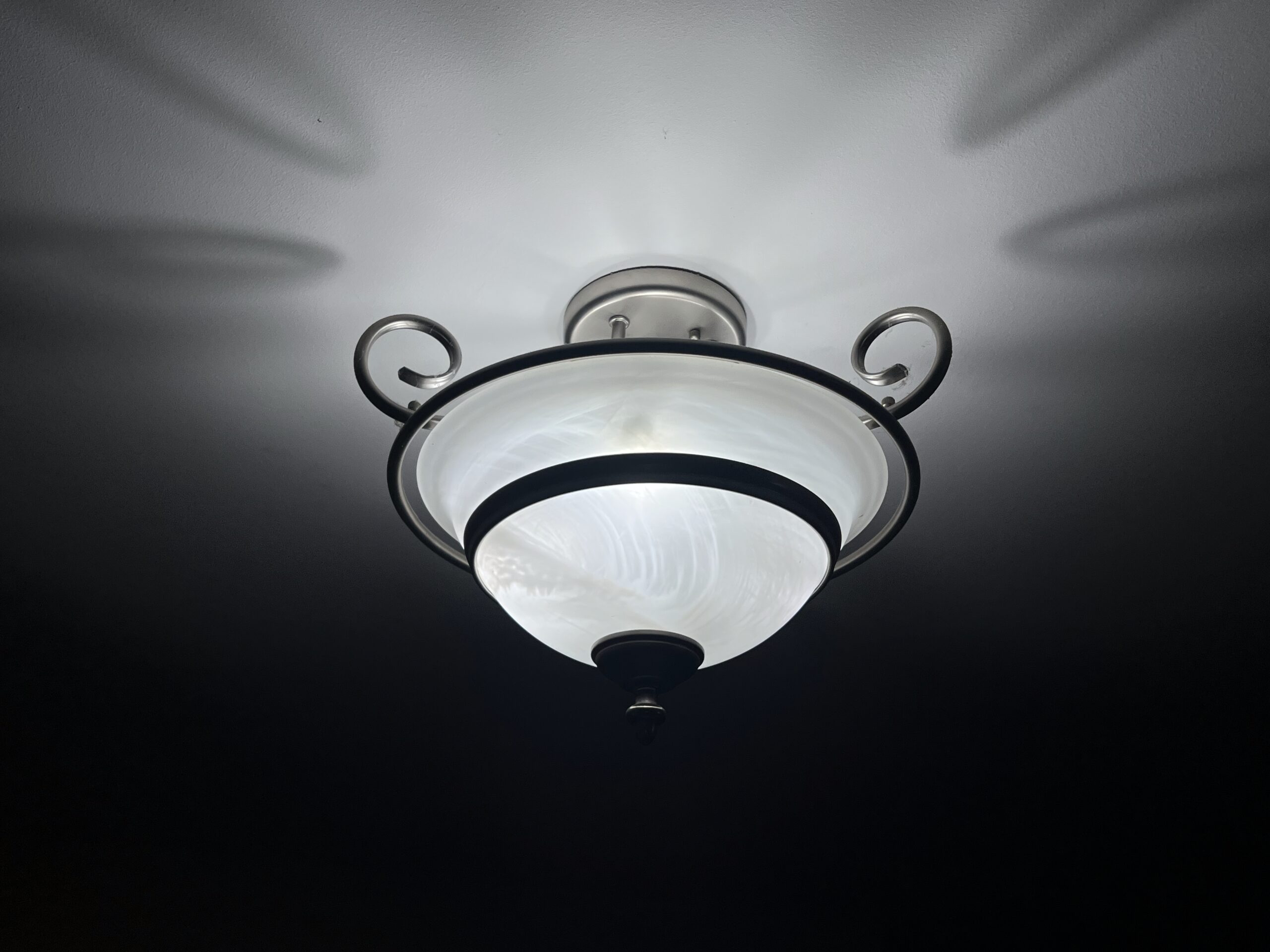
Fluorescent lighting across Canada—include Queen’s—is being phased out under new federal rules aimed at reducing mercury pollution.
As of Jan. 1, the Government of Canada has banned the manufacture and import of most mercury-containing fluorescent lamps. The change is the first phase of the federal Products Containing Mercury Regulations, which were first introduced in 2015 and have now been updated to meet Canada’s commitments under the United Nations’ Minamata Convention on Mercury, a global agreement to limit mercury pollution.
The regulations, led by Environment and Climate Change Canada, are designed to reduce how much mercury from consumer products ends up in the environment. Although fluorescent bulbs are generally safe when intact, mercury can be released when they break during disposal or waste processing.
As light emitting diode (LED) technology has improved, fluorescent lighting has become increasingly obsolete. LEDs last longer, use less energy, and don’t contain toxic metals, making them a safer, more efficient alternative.
Retailers will be permitted to clear their remaining fluorescent bulb inventories until late 2029, but no new mercury-based lighting will enter the market, with a full phase-out targeted for 2030. The federal government predicts the policy will reduce mercury released from lighting by 681 kilograms (91 per cent), and lower greenhouse-gas emissions by 4.6 megatonnes as LEDs replace fluorescents.
Fluorescent bulbs were once promoted as an energy-saving lighting option, especially in industrial and commercial settings and, to a lesser extent, in homes. After Canada phased out incandescent bulbs in 2014, fluorescent bulbs became more commonplace because they consumed less electricity and lasted longer. Although this helped reduce energy consumption, it introduced significant environmental concerns.
Fluorescent bulbs produce light using mercury vapour sealed inside a glass tube. Although each bulb contains only a small amount of mercury, it’s estimated that tens of millions of these bulbs have been sold in Canada. When they reach the end of their life cycle, improperly handled waste can allow mercury to enter the environment.
Mercury is a naturally occurring heavy metal that the World Health Organization lists among its top ten chemicals of major public health concern. In the environment, it can be converted into methylmercury, an organic compound which accumulates in the body and can harm the brain and other organs, particularly during childhood and pregnancy. Most human exposure comes from eating contaminated seafood, which is why health agencies recommend limiting intake of larger fish species such as tuna.
Students who want to check whether their lightbulbs contain mercury can look for the symbol “Hg” on the bulb, fixture, or packaging. These bulbs shouldn’t be disposed of in regular household garbage. In Kingston, they can be recycled through the city’s Special Item Waste Disposal program at the Household Hazardous Waste depot at the Kingston Area Recycling Centre.
Tags
Environment, federal policy, Sustainability
All final editorial decisions are made by the Editor(s) in Chief and/or the Managing Editor. Authors should not be contacted, targeted, or harassed under any circumstances. If you have any grievances with this article, please direct your comments to eic@queensjournal.ca.