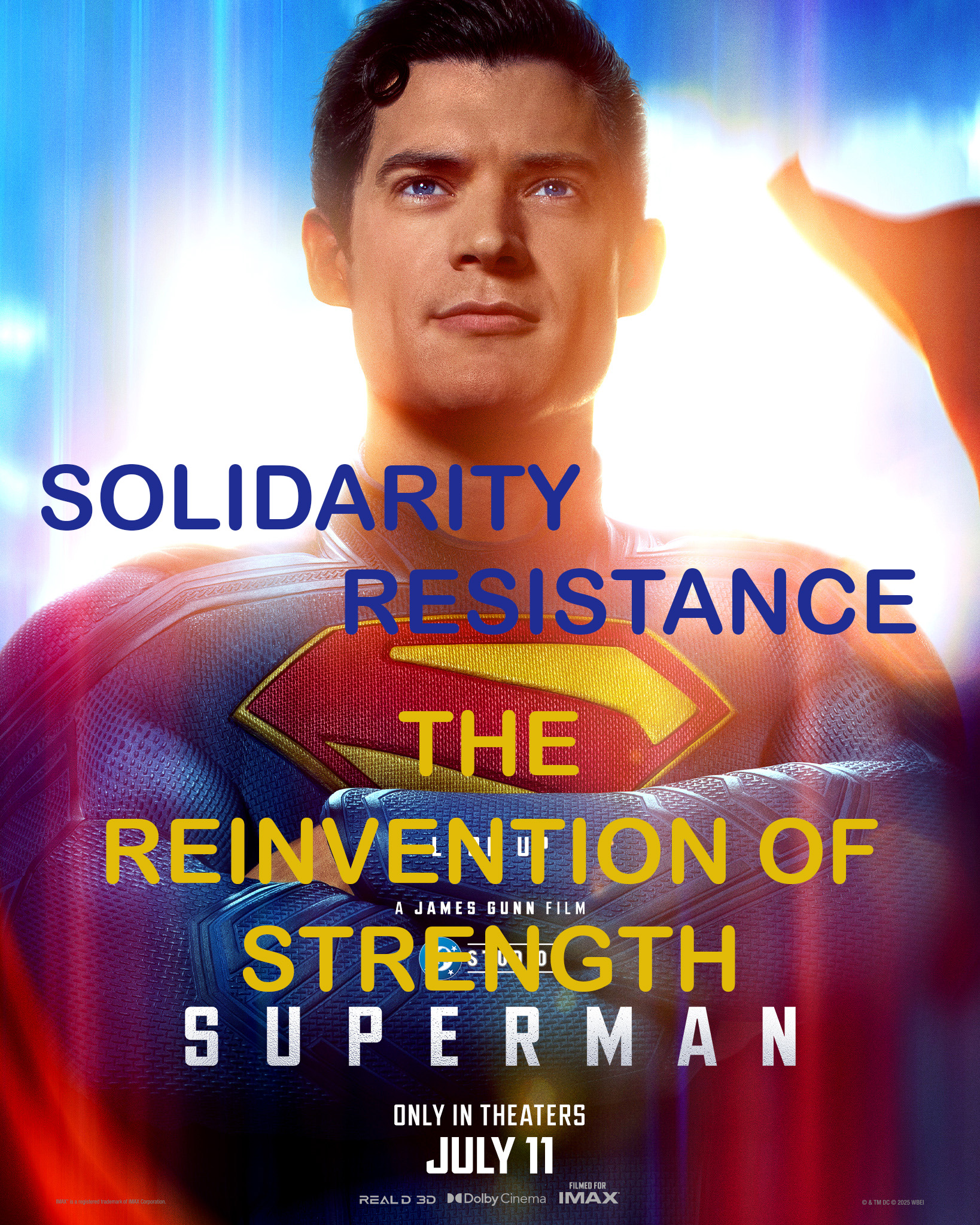
Detective Comics (DC)’s summer superhero film is catching some super-backlash for its political themes. However, Superman’s history explains that Superman (2025) is not unprecedented in its portrayal of the Man of Steel.
Before Director James Gunn’s Superman was released in theatres earlier this summer, audiences expected a vibrant reboot featuring a more colourful and optimistic Man of Steel. Early trailers showed a different version of the hero than Zack Snyder’s darker take on the character. Gunn’s fresh take on the character premiered among other surprises, like a more politically charged story than in recent adaptations.
Superman’s themes of global conflict and injustice have sparked backlash among politically right–wing commentators, who have labelled the movie “Superwoke,” pointing to its alleged pro-Palestine argument in its thinly-veiled portrayal of the Israel-Palestine conflict. In Superman, Clark Kent is repeatedly referred to as an “alien”, and his status as an extraterrestrial (and non-American) brings him repeatedly into conflict with the U.S. government.
Fox News host Greg Gutfeld complained Gunn was “creating a moat of woke, enlightened opinions around him. He’s got a woke shield,” during an episode of The Five. Fellow Fox News commentator Kellyanne Conway made a similar comment during another episode of The Five, saying, “We don’t go to the movie theatre to be lectured to and to have somebody throw their ideology onto us.”
Yet politics have always been central to Superman’s identity.
Making his debut in Action Comics number one in ’38, Superman was created by Jerry Siegel and Joe Shuster, both children of Jewish immigrants to North America. While Superman would later become famous for the nickname “Man of Steel,” his original title, featured in his first ever comic appearance, was “Champion of the Oppressed.” While today he’s known for fighting superhuman foes, his earliest adversaries were often corrupt politicians, landlords, and businessmen.
During the Second World War, Superman became an overtly patriotic figure and was used in American propaganda to boost morale. In a 1940s story titled How Superman Would End the War, he was famously depicted accosting Adolf Hitler, a striking image that positioned him as a direct opponent to tyranny even before the United States formally entered the war.
As political landscapes shifted over time, so did Superman’s character. In 2021, DC Comics changed his motto from “Truth, Justice and the American Way” to “Truth, Justice, and a Better Tomorrow.” DC Chief Creative Officer and Publisher Jim Lee issued a statement along with the reveal of the new motto, stating it “better reflects global storylines that we are telling across DC to honour the character’s incredible legacy of over 80 years of building a better world.”
Gunn’s Superman ties into that legacy. The film depicts Boravia, a fictional, militaristic U.S.-aligned state, invading its fictional, poorer neighbour, Jarhanpur. Superman intervenes directly, aiding Jarhanpur against Boravia’s aggression. The imagery has led manyto read the narrative as commentary on the ongoing Israel-Palestine conflict.
“When I wrote this, the Middle Eastern conflict wasn’t happening. [Superman] doesn’t have anything to do with the Middle East,” Director James Gunn said in an interview with The Times of London. Interestingly, criticism of the film’s themes has centred specifically around Western involvement in the Israel-Palestine conflict, which Gunn did not directly address.
Gunn further emphasized the film’s focus on morality, not politics, stating that “Superman is the story of America, an immigrant who came from other places and populated the country. For me, it is mostly a story that says basic human kindness is a value and is something we have lost.”
Superman is more than just a caped Kryptonian. Since his debut in ’38, he has reflected the struggles, hopes, and politics of the current era. Gunn’s take on the character, whether read as an allegory for present-day conflicts or simply as a reminder of the hero’s immigrant roots, continues that tradition and catapults this character into the modern era.
Tags
Film, Politics, superheroes, Superman
All final editorial decisions are made by the Editor(s) in Chief and/or the Managing Editor. Authors should not be contacted, targeted, or harassed under any circumstances. If you have any grievances with this article, please direct your comments to eic@queensjournal.ca.