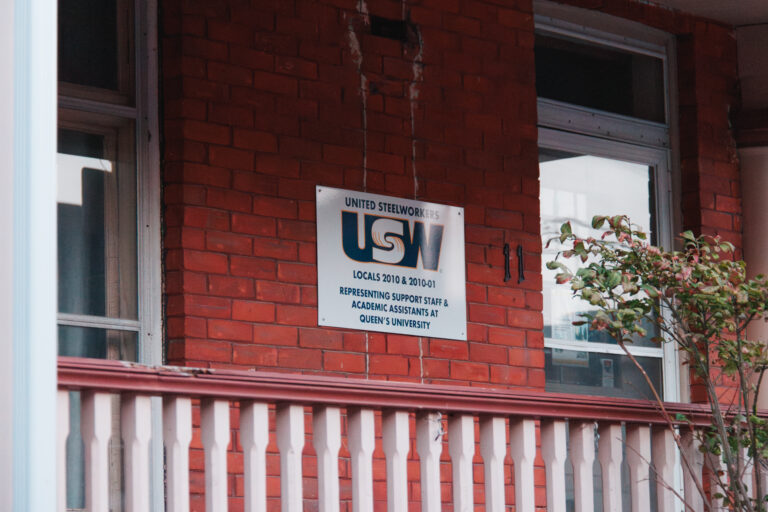
Facing mounting frustrations over wages, burnout, and job security, University support staff could soon trade their desks for picket signs.
A strike mandate vote for United Steelworkers (USW) Local 2010 workers, representing over 1,700 University support staff, academic assistants, and residence dons, was held for the first time in USW history, according to President Kelly Orser. The vote for all support staff workers took place between Feb. 11 and 14 following negotiations with the University which began prior to the expiry of the local’s Collective Agreement on Dec. 31.
The electronic vote, sent to approximately 1,400 support staff workers, had a strong turnout of over 1,000 voters, with an overwhelming 96 per cent supporting a strike if USW Local 2010 and the University fail to reach an agreement.
While the support staff’s collective agreement is currently in negotiations, the residence dons collective agreement doesn’t expire until July 2026. Meanwhile, the collective agreement for academic assistants expired in August of 2023 and is set to begin negotiations with the University in April.
With resounding support to strike, USW Local 2010 filed for a No Board Report on Feb. 21 with the Ontario Ministry of Labour. This report gives union members a 17-day countdown to a legal strike while also granting the University the ability to lock out workers from their workplaces.
According to a USW press release sent to The Journal on Feb. 22, the deadline for a strike has been set for March 8 at 11:59 p.m., and picketing will begin March 10.
“We do have a lot of concerns this round of bargaining based on what’s happened at campus or at Queen’s the last two years,” Orser said in an interview with The Journal. She specified the bargaining team’s priorities at the negotiation table, including key issues like wages, and job and union security.
Orser noted the need to compensate workers for the impact of Bill 124, Protecting a Sustainable Public Sector for Future Generations Act. The bill, enacted in November 2019 and repealed in February 2024, capped wages of public sector workers, including USW Local 2010 workers, to an increase of one per cent per year.
“We’re now at the bargaining table looking for remedies, essentially retroactive pay for the unconstitutional legislation the last three years that suppressed our wages,” Orser said.
She specified the goals of the bargaining team are confidential, but the team aims to achieve additional percentage raises in wages to make up for the last three years.
Orser cited layoffs and the removal of support staff positions at the University as key factors contributing to increased workloads and staff burnout. As a result, job security has become a priority for the bargaining team, with particular focus on strengthening layoff protections and advocating for the recruitment of additional employees to address staffing shortages.
READ MORE: Layoffs announced during Thrive Week raise concerns over employee wellness
“This has never happened to us in the past, to lose this many [term appointment] positions in such a short period of time, to have this many layoffs, and to be short-staffed at this rate,” Orser said.
In a Labour News update on Feb. 21, the University expressed commitment to negotiations while beginning premeditative preparations for a potential strike.
“The University remains committed to continuing to work with the unions in the interest of reaching agreements but has also begun to prepare contingency plans to mitigate the impact of any potential job actions by USW Local 2010,” the statement read.
Negotiations between the University and USW Local 2010 bargaining team will continue over the next two weeks.
Tags
bargaining table, negotiations, strike, Support Staff, USW, USW2010 Local
All final editorial decisions are made by the Editor(s) in Chief and/or the Managing Editor. Authors should not be contacted, targeted, or harassed under any circumstances. If you have any grievances with this article, please direct your comments to eic@queensjournal.ca.