Move-in time has come around again, and with it comes the rising cost of household essentials.
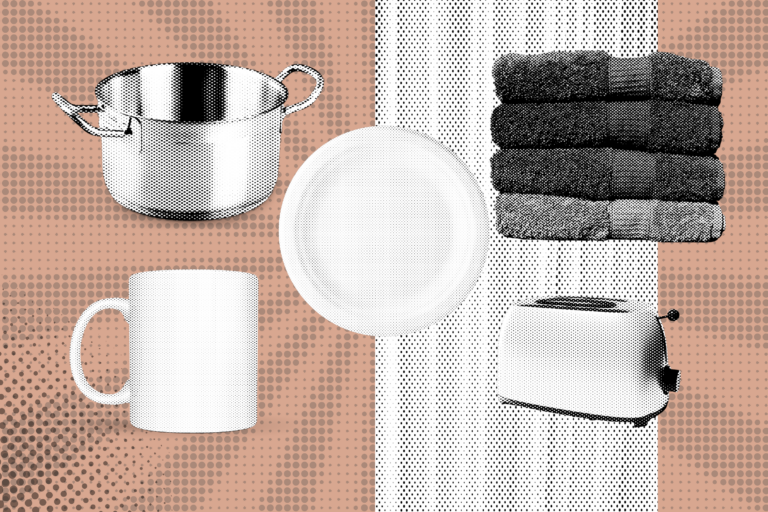
Three of the ARC’s tables buzzed with students on Sept. 10 from 10 a.m. to 2 pm. as students in need of dishware, small appliances, and other essentials flocked to pick up household supplies, completely free of charge.
The Free Store Pop-up Shop acts in association with the Second-hand Shuffle, a waste reduction initiative at the end of every school year to find new homes for quality items to reduce the number of items that go directly to landfills. Students can donate their second-hand household essentials and pick up items they might need themselves, decreasing the number of useful items that are often thrown away and illegally dumped on campus.
READ MORE: The Second-hand Shuffle returns to re-home student goods during moving season
The AMS Commissioner of Environmental Sustainability, Alexander Wong Ma, partnered with the Off-Campus Living Advisor (OCLA) and Student Affairs Facilities to make this event possible.
Like the Second-Hand Shuffle, which is run by the OCLA, the event provides students a barrier-free way to act sustainably.
“Sustainability is seen as something that requires extra effort. We want to make [sustainability] as simple as possible, ingrained within student life,” said Wong Ma in an interview with The Journal.
Students may think that sustainability is something they need to actively engage with conscious effort, but Wong Ma aims to seamlessly integrate sustainability and environmental consciousness into the student experience.
The goals for this pop-up aren’t only to ensure that items that can still be useful don’t end up in landfills, but also to reduce costs for students.
“We are seeing that students are looking for more low cost or even free programming from student activities,” Wong Ma said. “We would hope that in the future there is more of an emphasis on giving away items, and more programming that really fits that need of making sure that students have what they need and it’s at a low cost.”
According to Wong Ma, the number of students turning to lower cost options is growing as engagement with places like the Pop-Up Shop continues to rise. This is consistent with usage increases in the Queen’s food access programs as well.
With expenses eating away at incomes, students are turning to other options for their essentials, such as the Secondhand Shuffle and the Free Pop-up Shop.
“We are definitely looking at ways of how we can improve and make Secondhand Shuffle more approachable for students moving out, especially out of residence,” Wong Ma said.
Tags
affordability, AMS, commission of environmental sustainability, Sustainability, Sustainability Initiatives
All final editorial decisions are made by the Editor(s) in Chief and/or the Managing Editor. Authors should not be contacted, targeted, or harassed under any circumstances. If you have any grievances with this article, please direct your comments to eic@queensjournal.ca.