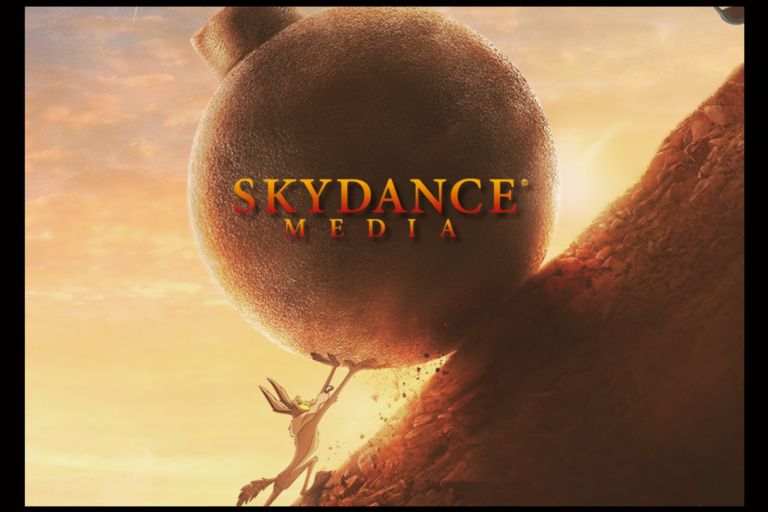
On Oct. 6, a $111 billion deal closed between Paramount and Warner Bros to create the largest media corporation in all of history, Skydance, which would drastically change the media landscape.
Enter Coyote vs. Acme; the film that almost didn’t make it out of a vault in the depths of the Warner Bros basement. After releasing theatrically on Aug. 28, Coyote vs. Acme may have survived, but how many original feel-good stories about exposing corporate corruption won’t if the industry as we know it collapses?
In the words of the Writers Guild of America (WGA), the merger “threatens the economic and creative health of the American entertainment industry. The merger eliminates competition for buying film and television writing, resulting in suppressed compensation, worse deal terms, and reduced programming volume and diversity.”
Coyote vs. Acme follows Wile E. Coyote and under-qualified personal law firm attorney Kevin Avery (Will Forte) teaming up to sue mega conglomerate corporation Acme and their CEO Foghorn Leghorn (John Cena) for years of malfunctioning products.
Wile E. is given a difficult battle; his Sisyphean struggle to capture Road Runner in the original Looney Tunes cartoons provides the perfect background for his struggle within the film and his time for retribution is now. The courtroom dramatization and blend of cartoon logic with humans makes it incredibly fun to watch but also reminds the audience of the similar legal battles the film faced.
Somehow, this comedy managed to claw its way from the ashes of cancellation and rise to a $100 million profit at the box office. While it may have found its success story, much like Coyote in the film, the journey to victory felt an awful lot like the endless chasing of Road Runner.
Coyote vs. Acme originally began development in 2018 with Lego Batman director Chris McKay to direct, who was then replaced by Dave Green. Principal photography took place during the summer of 2022 and the film was scheduled to be released in the summer of 2023. However, Coyote vs. Acme’s summer release slot was quietly replaced with Greta Gerwig’s Barbie, placing the film on the backburner until November 2023, when Warner Bros. announced that they would no longer be releasing the film in order to obtain a taxwrite off, shortly after the Writer’s Strike had concluded.
The decision was a shock to fans, who eventually petitioned to #SaveCoyotevsAcme, including the cast and crew. Warner Bros then engaged in a two-year long journey to attempt to sell the film, which eventually went to Ketchup Entertainment in March of 2025 for $50 million. The film released on Aug. 28, officially marking the film’s escape from being a tax write off.
However, the film’s delayed release directly parallels the current Hollywood climate. Coyote vs. Acme’s overarching themes involve class struggles and the abuse of corporate power. Its consumer culture commentary feels ironic coming from a Warner Bros product but given the circumstances with the release of the film, it feels more prophetic.
While Wile E Coyote may have ended up successful, all signs point towards a regression within the Hollywood system and the possibility of even more films facing the same fate or worse.
A company led by David Ellison, with an all-too-cozy relationship to Donald Trump, means the threat of censorship and lack of original stories may become a reality with one media conglomerate running the film and television industry. Although Ellison stated that “you will absolutely see us tell original stories,” he has also discussed his desire to turn Skydance into a “tech company,” which roughly translates to incorporating AI technologies to replace human creativity and labour.
Coyote vs Acme and the introduction of Skydance marks a transformative point within Hollywood. The merger only creates more animosity and difficulties for professionals in an already unstable market.
Over the past few years, Coyote vs Acme is one of many films that have been shelved or threatened to be shelved due to corporate power. Most people haven’t even heard of the completed Leslie Grace Batgirl film, also produced by Warner Bros before it was completely abandoned with no plans to sell. Or even Luca Guadagnino’s controversial Artificial being dropped by Amazon shortly before Amazon’s Open AI partnership (now with NEON).
Although the future of Hollywood is uncertain, artists can make the decision whether they’ll be a Road Runner or a coyote.
Tags
corporate greed, corruption, Film Review
All final editorial decisions are made by the Editor(s) in Chief and/or the Managing Editor. Authors should not be contacted, targeted, or harassed under any circumstances. If you have any grievances with this article, please direct your comments to eic@queensjournal.ca.