When I joined the Queen’s Economics Department (QED) as an assistant professor many years ago we had about 10 sections of first-year economics with 60 to 70 students in each. Assessment was based on written assignments and exams marked by the professors. This coming year, we will have three sections of about 450 students each. The professor will wear a microphone to be heard in a large auditorium, and at least 80 per cent of the assessment will be based on multiple-choice exams.
Things do get better in upper-year courses, but they’re not what they used to be. In fourth year we offer seminars where students get to apply what they’ve learned to a real world problem. They must research and write a paper, present it to their classmates and listen to their peers’ presentations. We try to keep the number of students in these courses at 15 or below. But when I first arrived, every fourth-year student did an honours thesis, under the direct supervision of a faculty member.
Perhaps the most depressing part of this story is that it continues relentlessly. Over the next three years the Faculty of Arts and Science budget is due to be cut by some 15 per cent. And even this may not be the end.
The recent financial crisis and subsequent recession have led to deficit financing by governments at every level. Future government spending will have to be restrained in order to bring the overall debt back down to a manageable amount.
At the same time politicians will be responding, as always, to the concerns of the baby boomers. This powerful group will be insisting that governments protect health care and pensions—not post-secondary education.
Queen’s faculty members are in the midst of a planning exercise that will lead to a “vision” for the future of Queen’s by the end of this year. Unfortunately, I believe the reality will be driven entirely by economics. It’s going to be all about money—what we can do with less and how we can get more.
One suggestion is that Queen’s use its excellent credit rating to borrow the money it needs to stave off the need for change and protect what we have. But the time to borrow is when we expect things to get better over the long term so we can easily pay back the loan. If we borrow now, what will we do when things really get bad?
It’s time to start thinking about the changes that are about to occur and how to prepare for them. Generally speaking, I think we’ll see a broad increase in the level of personal responsibility required of students—pedagogically and financially—for their own education.
There may come a time when students arrive in Kingston and take courses that, apart from supervised exams, are essentially what they would get if they stayed home and took them by correspondence. With fewer professors and no money to pay for teaching assistants, feedback will be limited and many students will be learning on their own.
On the financial side, while it’s possible governments will allow tuition rates to increase I don’t believe this will ever provide enough funding to keep our teaching programs at the current level, let alone return us to what we once had. In response, I think universities will begin to shift their fundraising emphasis away from buildings and other capital projects toward direct support of expenditures.
Right now QED is leading the way with the creation of the QED Advantage Fund. This fund will support undergraduate teaching programs in the economics department. It’s unique in that all money raised will be spent by the end of the academic year following the one in which it’s received.
A relatively small amount can go a long way here. For example, the department in the past has been able to hire sessional instructors to teach some upper-year courses. These are often retired professionals from the public service or the financial sector who have a world of experience they would like to pass on to students, and who are willing to do so for very modest wages. We also hire teaching assistants from our graduate and upper-year undergraduate students to mark assignments and exams and hold office hours. This level of personal contact and feedback wouldn’t be possible without them. The QED Advantage Fund will support activities of this type.
Many QED faculty members believe the success of the QED Advantage Fund and others like it will be critical to the future of our teaching programs at Queen’s. For my part, I will be giving three per cent of my salary to this fund each year until I retire. Many other faculty members have made similar commitments. We hope parents and others who wish to help will join us, knowing their donations will be spent entirely on programs that directly benefit current students in the economics program at Queen’s. In the Canada-wide context of declining university revenues, our goal is to give our students a significant “QED Advantage” that will endure for the rest of their lives.
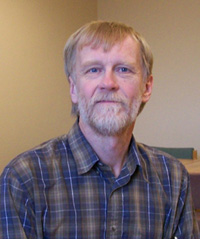
Lorne Carmichael is the undergraduate chair of the Queen’s economics department.
All final editorial decisions are made by the Editor(s) in Chief and/or the Managing Editor. Authors should not be contacted, targeted, or harassed under any circumstances. If you have any grievances with this article, please direct your comments to eic@queensjournal.ca.