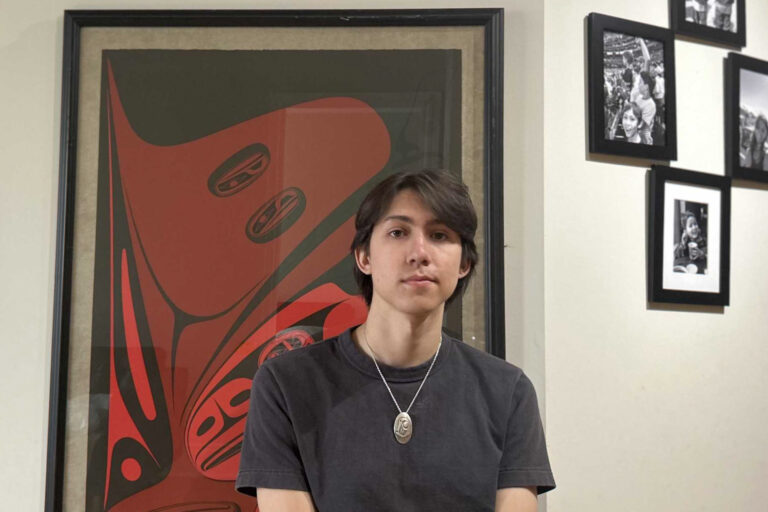
I once needed the help of academic advisors, and now they need our help.
If it weren’t for the academic advisors at Queen’s, I’m not sure I would still be in my program. But the long wait times for appointments, lack of funding, and overall strain on student services has become painfully clear.
Academic advisors play a crucial role in student success at Queen’s. Yet, budget cuts to programs have left many students feeling ignored, with their emails buried in the inboxes of short-staffed and overworked advisors.
The University needs to support its students by supporting its staff because the lack of funding for offices like academic advising is directly impacting students like me as someone whose experience with academic advisors at Queen’s has been invaluable during my university journey.
In first year, I was thrilled to be accepted into one of Canada’s top computing programs at Queen’s. However, I didn’t anticipate the challenges that came with transitioning to university life and the environment I needed to adapt to.
According to a report by Laurentian University, 15.1 per cent of Canadian university students drop out after their first year. I struggled to adapt to University life, and my struggles began early when my grades dropped below the threshold to stay in the computing program. On top of that, I faced lengthy process of receiving help to get academic support for an Attention Deficit Hyperactivity Disorder (ADHD) diagnosis.
After failing to stay in computing, I switched to mathematics. I knew I should’ve asked for help after my first semester when things weren’t going as planned, but I was afraid.
Worried about failing, I avoided the problem and refused to talk about it. I was scared to ask for help—I was stuck. I know this experience isn’t uncommon, and looking back, I realize I wasn’t alone. My advice to any student facing similar struggles is to ask questions and reach out to faculty-specific advisors and Student Academic Success Services (SASS) for help-it’s their job.
With quite a bit of assistance, I was able to make it back into computing while staying on track for the program the whole time, but despite their help, the long wait times discouraged me at various points—wait times are notoriously long, and I know others who’ve avoided asking for help for the same reason.
Sometimes it can feel tedious to ask for help, as the busiest times of the school year create a bottleneck in advising systems, with waiting times getting longer and longer. Waiting weeks for a meeting can feel overwhelming and discouraging.
Waiting is expected to some extent, as there will always be a busy period during the school year, bringing waves of students needing advice all at once. The academic advisors handle students the best; they can help create many resources to try and curb the queues.
But appointments with advisors fill up fast, and students who need urgent help can be stuck dealing with their issues alone. But this isn’t the advisor’s fault; it’s the University’s failure to provide enough funding for advising.
The University doesn’t seem to believe Arts & Science advising is worth the investment, and it’s unnecessary to aid its funding. Academic advising’s endowment is an investment for every student in Arts & Sciences. The University should increase funding for more advisors to relieve the bottleneck. Once the logjam of students is eased with more support staff, more students will have their issues handled in a timely and appropriate manner.
Funding academic advising is proven to improve the lives of students, especially proactive initiatives like the one spearheaded by Mohawk College. One particularly impactful initiative was group advising sessions, which provided students with advice, but also let them see their peers in similar circumstances to them, helping create a sense of community.
Retention rates of students who attended these sessions dropped by 2.5 per cent in their first term alone. Improved and expanded online resources, as well as AI tools, may be able to help reduce queues by assisting students in answering their questions. But no matter how much you invest in technology resources, nothing except an advisor can really provide a student with personalized advice and help them craft a plan best suited for their situation.
Academic advisors deserve more funding and support from the University. When students feel let down by their emails going unanswered and feel like they’ve been ghosted by the advisors who were supposed to help them. This creates an even more complex issue. The more students feel let down by advising, the less comfortable they feel talking and reaching out to them. It’s an endless cycle disadvantaging everyone involved. Blame needs to shift to the university, and the institution needs to take accountability.
I encourage you, if you’re one of the many who feel forgotten with ignored and late responses, those who feel unheard and who received a response after a whole week; don’t blame the academic advising or SASS staff, call upon the University to do their duty to fix this issue by not throwing the staff who do some of the most important work for us students, under the bus. Academic advising staff deserve better, and we need more staff to help with their stacks of emails.
Matthew McGuire is a third-year Computing Student.
Tags
Academic Services, First Year in Focus
All final editorial decisions are made by the Editor(s) in Chief and/or the Managing Editor. Authors should not be contacted, targeted, or harassed under any circumstances. If you have any grievances with this article, please direct your comments to eic@queensjournal.ca.