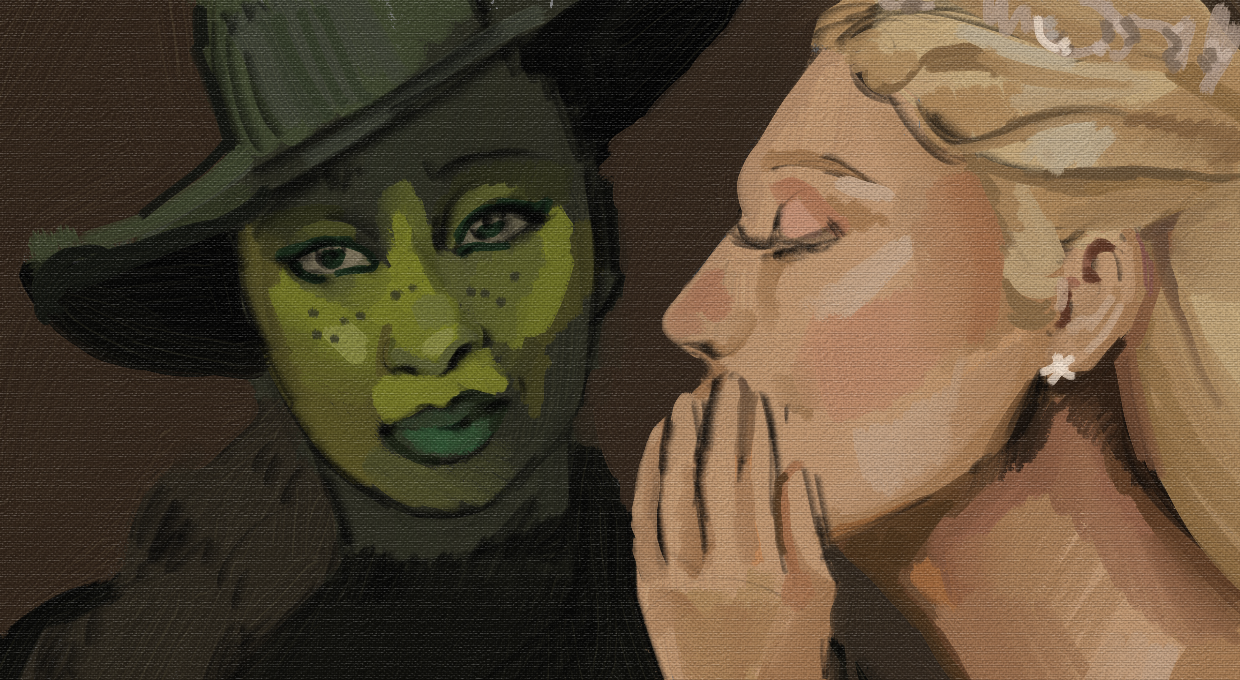
Wicked: For Good’s moral lessons extend beyond the boundaries of Oz.
On Nov. 21, Jon M. Chu’s Wicked: For Good released in theatres, opening at number 1 at the global box office and given the cultural impact that the franchise has had since Wicked released last November, this popularity is hardly surprising. Whether you’re a fan or a hater, the Wicked films have been impossible to ignore, as press tours are continuously memed on TikTok, Wicked-themed merch packs the shelves, and the soundtrack blasts from every musical theatre nerd’s phone within a five-mile radius.
Yet the Wicked film duology deserves its flowers because the movies, and broader marketing, have managed to perfectly read and respond to the current cultural moment.
READ MORE: ‘Wicked’ defies gravity and expectations, transporting viewers back to the world of Oz
At its core, Wicked: For Good is an allegory for corruption and the willful ignorance of a people who choose to live in comfort and ease, rather than confront that their society is built upon exploitation, discrimination, and the pain of others.
In Wicked, viewers see Elphaba begin to rage and fight against these realities, shocked and disgusted by the Wizard’s dishonesty and cruelty. However, Glinda chooses complacency, turning an ignorant eye to injustice to protect her perception of the world as a happy place.
In believing Elphaba to be dead at the end of the film, reality sets in for Glinda. She doesn’t want to live in a world of lies anymore. She doesn’t want to solely use the word “good”, but she wants to be good through and through, and to do so, she had to pop her literal and metaphorical bubble.
The film ends with Glinda finally stepping up to save Oz, and her subtle acts of rebellion and change go over very well with the people of Oz as she’s a beloved public figure.
Ultimately, Glinda’s more passive and cooperative form of resistance is accepted and effective, much more so than Elphaba’s angry rebellions. This symbolizes how people are more likely to listen to and accept or forgive resistance from someone who is conventionally attractive and aligns with the traditional ideals and aesthetics of society.
However, Wicked: For Good seems to be paralleling Glinda’s approach to change, as the film is chock-full of deep critiques that are very applicable to our real world outside of Oz. Moral lessons come packaged in a light-hearted and entertaining way, making it easy to forget truths which hit close to home.
Let’s not forget: the corrupt Wizard isn’t an Oz native, but an American from Nebraska; an invader from our world bringing with him to Oz his crooked understanding of power and truth. For example, when the Wizard sings “Wonderful,” he says: “Where I’m from, we believe in all sorts of things that aren’t true. We call it history.”
The Wicked duology, like Glinda’s character, is a beautiful façade, a digestible way of trying to spread a message that’s inherently difficult to swallow. Beyond the limitless consumer merch, the rampant pop-culture allure, and stunning costumes courtesy of Paul Tazewell, there’s a dark truth to the films that viewers would do well to remember: corruption thrives where ordinary people choose comfort over truth.
Fans should hold space for the fact that the world of Oz isn’t unlike our own. The scapegoating of animals that happens in the films isn’t unlike the scapegoating of minority groups that’s occurring in our world today.
Wicked: For Good suggests that people prefer pretty lies to ugly truths, but it also challenges viewers to finally break that spell and step outside our bubbles.
Tags
cinema, Film, franchise, Wicked
All final editorial decisions are made by the Editor(s) in Chief and/or the Managing Editor. Authors should not be contacted, targeted, or harassed under any circumstances. If you have any grievances with this article, please direct your comments to eic@queensjournal.ca.