Our standards for holding celebrities accountable have hit rock bottom.
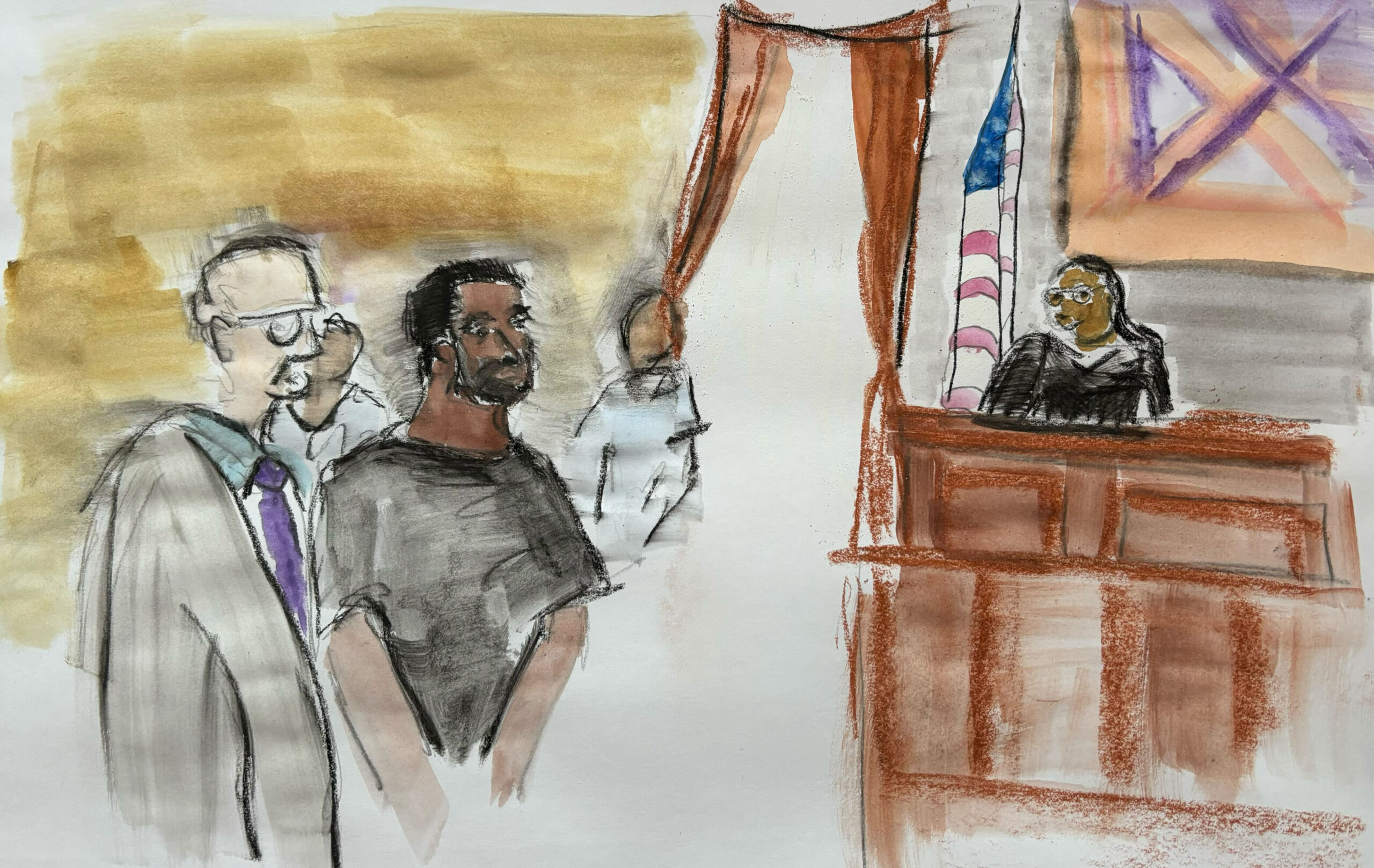
Recent trends show a surge in popularity of Diddy’s (aka Sean Combs) music on Spotify and YouTube, despite his numerous criminal charges of sex trafficking, sexual abuse, and sexual assault. Following initial allegations about him, streams of his music increased by nearly 50 per cent in just one month’s time.
According to Music Business Management Professor George Howard at Berklee College of Music, rising streaming numbers following an artist’s controversy is common; it’s merely of reflection of societal curiosity. Especially for younger generations who didn’t grow up with artists like Diddy, R. Kelly, or Chris Brown as household names, we can’t help but research these things. But there are limits to innocent engagement.
Akin to performing a Google search, or reading a news article, listening to songs and watching videos are ways for people to gain insight into ongoing discourse, especially when it concerns musical artists. But in an age driven by consumption and the attention economy, we must be careful where we dedicate our attention and the consequences of doing so.
The Internet and trend culture heavily influence how we consume and process discourse about serious issues—including sexual assault and abuse involving public figures. Unfortunately, these platforms often prioritize virality over nuance, shaping how we think about and engage with these matters.
People want to prove they’re on par with trending headlines and current cultural subjects, even if it means skimming the surface rather than deeply engaging with these topics. When allegations about celebrities come to the surface, everyone wants their say in the matter, regardless of how uninformed they are. The highly invasive and sensationalized channels through which we receive news numbs us from the sensitivity, care, and respect we should be bearing toward genuinely troubling matters and their victims.
Further, the fleeting circulation of such topics gives us little time to understand how we can even hold perpetrators like Diddy with any long-term accountability. This impression sets the dangerous precedent that sexual violence cases are only serious until we forget about them or reduce them to memes and casual references, letting the core issues slip away.
The general lack of education—or intentional ignorance—not only excuses guilty individuals from their egregious crimes but perpetuates the idea that we can be selective about what is and isn’t harmful. When asked why she continued collaborating with Dr. Luke on her newest album, Woman’s World, despite fellow artist Kesha’s allegations against him for years of abuse, Katy Perry deflected the question, ultimately dismissing any opportunity to hold Dr. Luke accountable for his actions or question her association with him.
For those who do understand the gravity of allegations, it’s crucial to confront the figures behind them and ask yourself if supporting them or their work is worth putting their moral stature above all acceptable human standards. Be cautious where you cast your tokens of support.
While streaming Diddy’s music or contributing to his virality may not reflect your ethical and moral standing, it’s important to note that involving yourself in serious conversations shouldn’t be taken lightly. When art can’t be separated from the artist, consider your responsibility as a consumer to stop the mainstream acceptance of abusers and their crimes.
—Journal Editorial Board
Tags
accountability, celebrity culture, Diddy, Internet culture, sexual violence
All final editorial decisions are made by the Editor(s) in Chief and/or the Managing Editor. Authors should not be contacted, targeted, or harassed under any circumstances. If you have any grievances with this article, please direct your comments to eic@queensjournal.ca.