There’s no need to shame women for how they deal with the beauty standards society created.
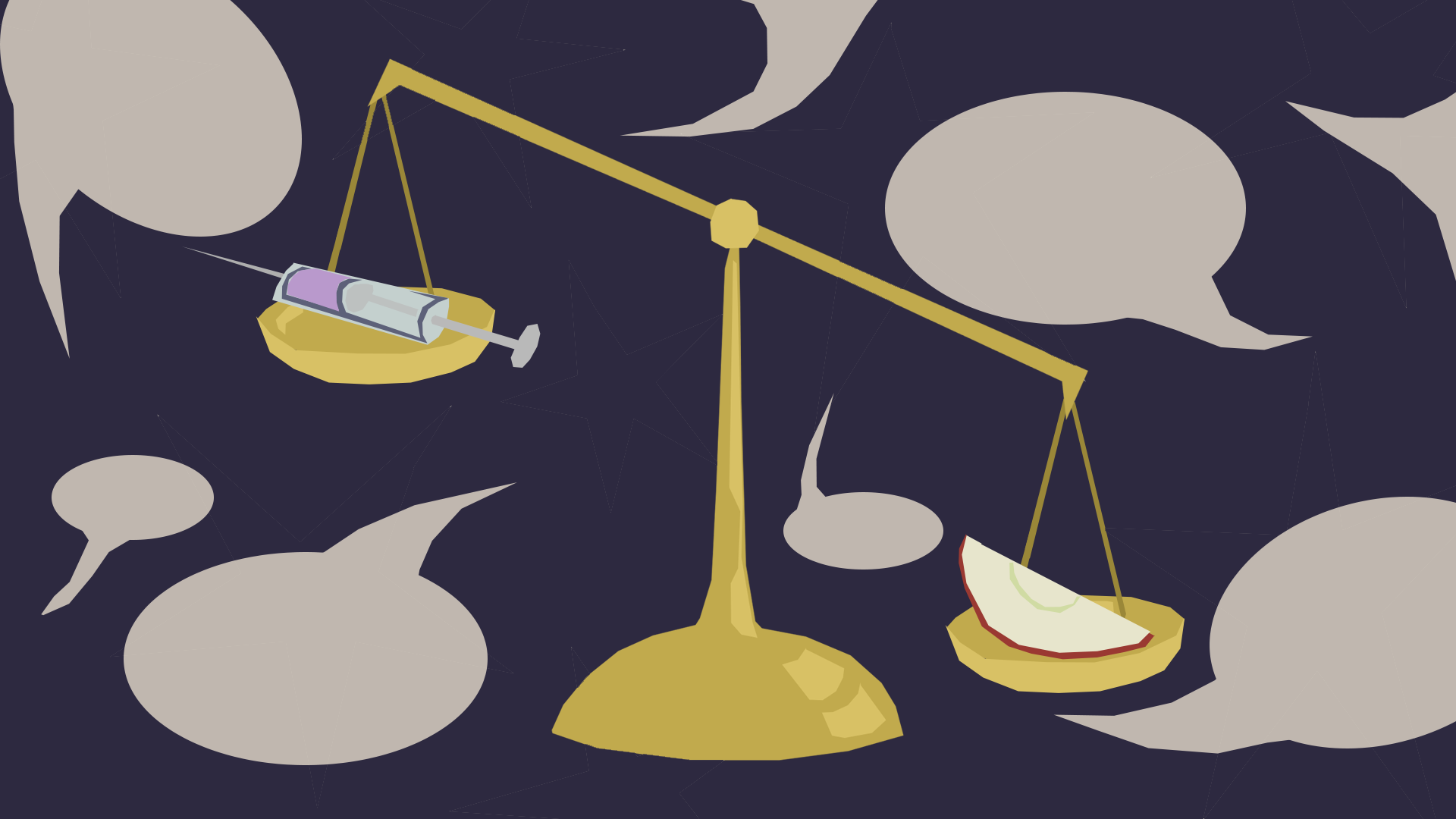
It feels like every day, a female celebrity’s being highlighted for their “commendable weight loss journey,” or being ridiculed for “letting themselves go.” No matter which way you turn, the media’s commenting on women’s bodies, resulting in unrealistic and unbearable beauty standards. While it can be frustrating to see celebrities using weight loss drugs like Ozempic, originally formulated for type 2 diabetics, you can hardly blame them for succumbing to the heightened pressures society puts on women’s bodies.
The discourse around women’s bodies has become so all-consuming to the extent that female celebrities can’t even be plus-sized without it becoming their brand. Celebrities like Rebel Wilson felt pressured to lose weight so she could play a diversity of roles, instead of being boxed in as the “funny fat friend.”
This goes to show the extent to which women’s bodies are tied to their public image. When women lose weight, they lose their “niche” or what makes them interesting and employable, while men are praised for their fitness transformation. These only highlight how female celebrities are forced to fit particular moulds, and the public gets mad when they dare to break out of them.
Public outrage at female celebrities’ transformations is especially disappointing when women are highlighted more for their looks than their talent or success.
Celebrities, especially women, are scrutinized so intensely that it’s difficult to understand the pressures they face. Though using weight loss drugs seems like an easy way out, it should be more concerning that celebrities have gotten to the point where it’s even a consideration, let alone their reality.
Even with the frustrating beauty standards, celebrities should still disclose when they’re using drugs like Mounjaro and Ozempic. Without this transparency, unrealistic body standards are only heightened. It’s only right that these celebrities are held accountable for using drugs that weren’t originally made for them.
Unfortunately, society has come to a dystopian reality where people who need Ozempic to live can barely afford the drug, while celebrities can easily access it for aesthetic reasons. The disparity not only highlights inequalities in healthcare access, but it also shows how celebrity culture has warped everyone’s priorities.
When medical drugs become the latest fad for meeting arbitrary beauty standards, it’s time to look at the root cause—the constant discourse surrounding women’s bodies.
Even if they’re transparent about it, we shouldn’t be blaming women for crumbling under unrealistic body standards. If you’re really worried about the effect of celebrities and weight loss drugs, maybe it’s time to look at the social pressures that got us here in the first place.
The conversation about weight loss reveals far more about our culture than it does the women who suffer from its pitfalls.
Celebrities, especially women, are navigating a system that relentlessly evaluates their bodies to the point where you can hardly blame them for using drugs to try to escape its scrutiny. While celebrities should be transparent about their use of weight loss drugs, we should blame the unrealistic body standards that society places on women.
—Journal Editorial Board
Tags
celebrities, Mounjaro, Ozempic, weight loss
All final editorial decisions are made by the Editor(s) in Chief and/or the Managing Editor. Authors should not be contacted, targeted, or harassed under any circumstances. If you have any grievances with this article, please direct your comments to eic@queensjournal.ca.