Created in Canada in 1968, IMAX‘s groundbreaking technology is upholding film’s comeback era.
This year alone, Christopher Nolan‘s colossal epic, The Odyssey, became the first feature-length film shot entirely on IMAX film cameras. Releasing in December, Denis Villeneuve‘s highly anticipated Dune: Part Three was filmed using a combination of IMAX film and IMAX-certified digital cameras. Known for its immersion and image resolution, there’s a reason why filmmakers and movie goers alike are obsessed with IMAX.
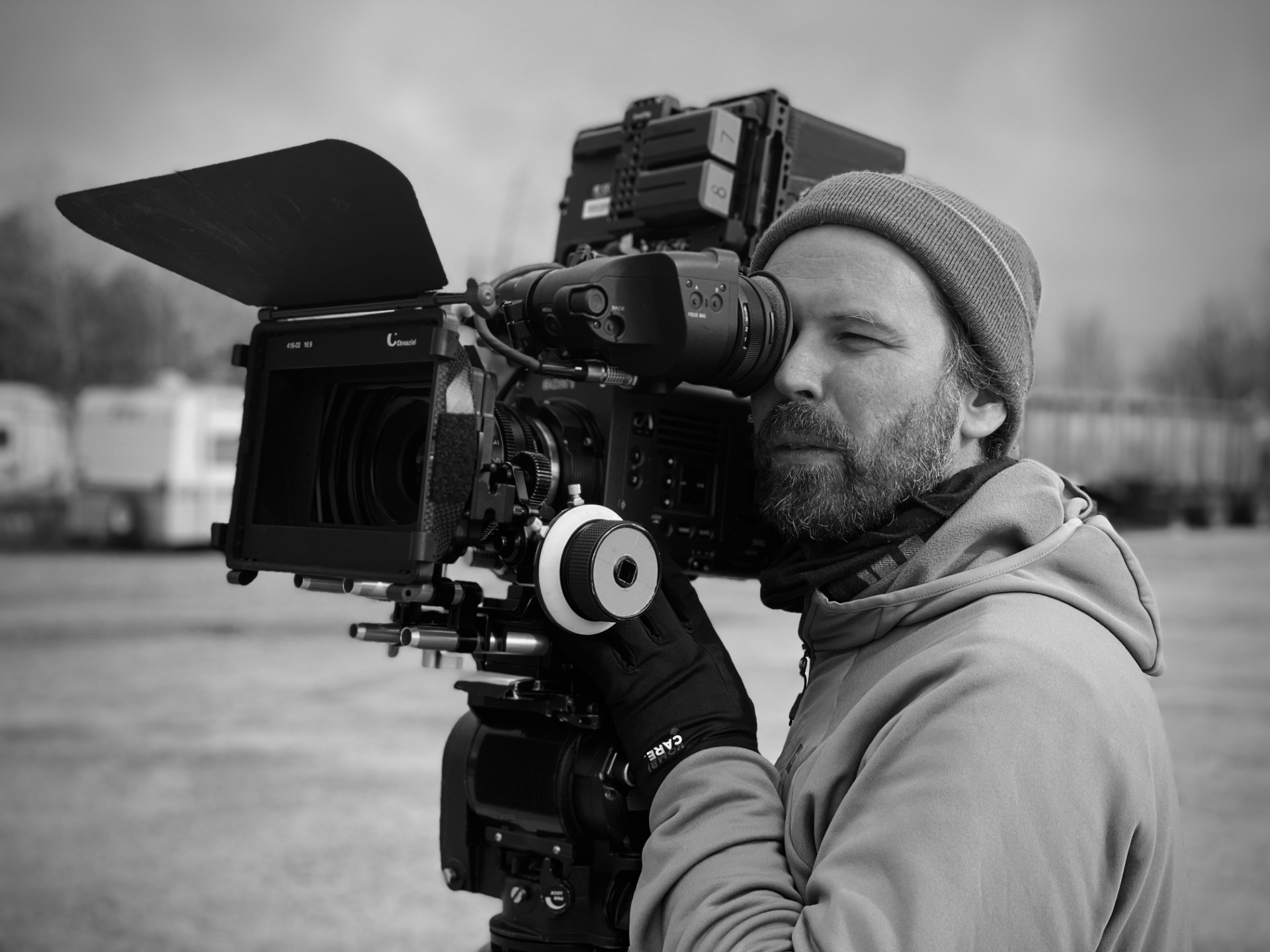
To understand the film revival, The Journal sat down with cinematographer Ryan Randall, the senior technician and continuing adjunct professor in Queen’s Department of Film and Media, as well as the technical director of the Vulnerable Media Lab, which is Queen’s media transfer, remediation, and restoration research lab.
In his second year studying painting at OCAD University, Randall took a film course that inspired him to consider “the idea of painting with light” to craft images on screen.
“Years before, [the camera] was like a documenting device. You pointed at something, you tell a silly story, you photograph a play, but […] then I started to think about— it’s not just what you’re looking at; it’s how it’s presented to you as the audience. And that was the point when my vision flipped to behind the camera, and I’ve been there ever since,” Randall explained in an interview with The Journal.
As a cinematographer, Randall helps create the art behind the camera.
“I like to think of cinematography as like you’re in the biggest kitchen with all the devices and all the ingredients, and you can create and craft an unfathomable number of meals,” Randall said.
Cinematography is a recipe for success because cameras are equipped with the language of visual storytelling.
“The camera has its own language unto itself, and it’s not just the camera on the whole. It’s the lens selection and the format, and just the visual qualities-they all lend to that,” Randall explained.
“The camera can show a perspective that our eyes can’t see. We can limit the framing of things. We can get into extreme close-ups. We can get into extreme wide shots. We can use that frame and how the lens kind of distorts reality or expands reality or raises reality in all sorts of fun ways.”
Cameras tell different stories depending on which images their technology captures.
IMAX film cameras are praised for their high-quality resolution images, thanks to frames that are ten times the size of standard 35mm film. The large format is why IMAX creates images that capture both details and the audience’s hearts.
For Randall, film’s power to facilitate connections with stories is why filmmakers are returning to film, especially IMAX.
“It’s back to an honest day of cinema,” Randall said. “When an audience connects with a film and a story and a character, it’s a personal connection. It’s very human, and I think that human connection, when you put it on IMAX, is scaled epically.”
Although IMAX is the industry’s premium format and viewing experience, there are endless possibilities for film cameras of all formats.
As a film production instructor, Randall believes the 16mm Bolex film camera is an important instructional tool because its mechanics encourage students to actively engage with the device. It’s a rigorous process to use light meters and hand-crank motors, but its images possess qualities digital cameras cannot achieve. Beyond its educational value, film captures a look that digital formats struggle to replicate.
Although cinema’s return to analog is thrilling, physical media requires proper preservation.
While the two million feet of celluloid prints capturing box office billionaire The Odyssey are sure to be saved in IMAX’s vault, countless stories are actively degrading as their archives break down.
Randall noted that magnetic media formats are literally crumbling. Camcorders shooting on tape comes with knowing they will decay. Even film stock is at risk of fading when not stored properly. It’s why digitization is vital. As the technical director of the Vulnerable Media Lab, Randall designed the lab to facilitate the preservation of vulnerable media.
As more filmmakers turn to film to tell their stories, Randall hopes to see more “unique visions put on screen by playing with all the ingredients.”
Tags
camera, Christopher Nolan, Digital, Film
All final editorial decisions are made by the Editor(s) in Chief and/or the Managing Editor. Authors should not be contacted, targeted, or harassed under any circumstances. If you have any grievances with this article, please direct your comments to eic@queensjournal.ca.