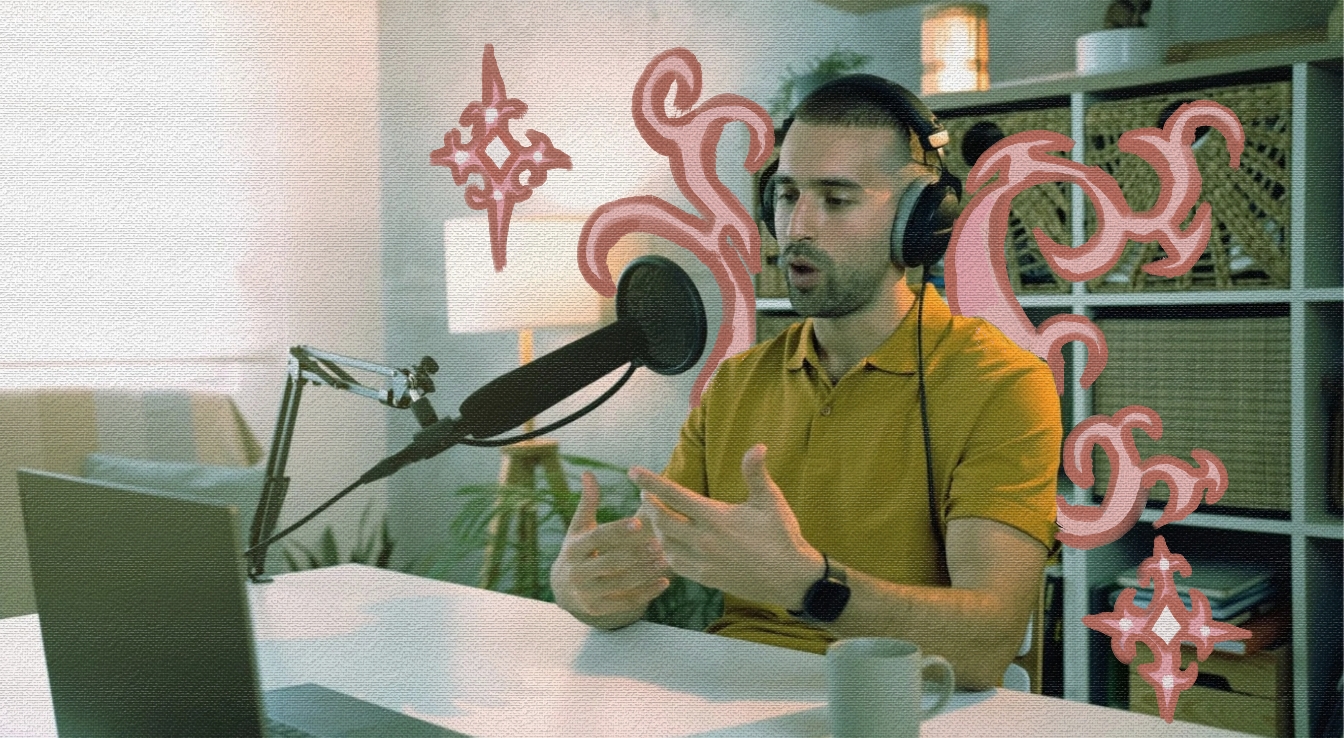
Recently, it seems like everyone’s hopping on the microphone.
First emerging in 2003, podcasts have gradually taken over the digital world. Nowadays, it seems like everyone has a podcast—and Gen Z audiences can’t get enough. Big names from politics to pop culture have been appearing in podcasts lately, including Taylor Swift’s appearance on Travis Kelce’s podcast, New Heights, and Kamala Harris’ 2024 appearance on Call Her Daddy.
In many ways, podcasts are the perfect medium for digital audiences. They’re convenient to listen to and made readily accessible via streaming platforms like Spotify or Apple Music. Rather than sitting down to carefully read a news article, audiences can listen to a podcast while going for a walk or doing chores.
This convenience is one reason why they’re so popular with Gen Z audiences. Gen Z is more likely to get their news from digital sources, such as social media platforms. Many podcasts available on digital platforms already boast significant social media followings, making them more casually accessible. Gen Zers are more likely to listen to a podcast than they’re to read a traditional news article.
Being easy to access means podcasts hosts can reach large audiences, building loyal fan bases. Because podcasts thrive on relatable, everyday language, many podcasters establish inside jokes that build community with their audiences. This feeling of familiarity also continues to drive the popularity of podcasts.
Some popular podcasters use their influence to advocate for political beliefs online. Because fact-checking in podcasts isn’t moderated online the same way as written news articles, creators who spew hate speech or extremist language are more likely to gain a following by hosting a podcast than by writing news articles.
Many podcasters, like Joe Rogan and Theo Von, have used controversial opinions to amass a following. These creators have been credited with contributing to the “manosphere,” a community of men who spread misogynistic rhetoric online.
If Gen Z loves podcasts because of their relatable, community-based aspect, it’s important to be wise about who you listen to. For many podcasters, the allure of podcasts comes from the desire to establish a following as an influencer. Real expertise in a certain area may now come second to an interest in gaining a following.
Despite the nuances of the podcast surge, the current fixation on podcasts reveals a tendency to favour information that’s more casual, relatable, and community-forming.
Tags
Digital Age, gen z, Internet culture, online, Podcasts
All final editorial decisions are made by the Editor(s) in Chief and/or the Managing Editor. Authors should not be contacted, targeted, or harassed under any circumstances. If you have any grievances with this article, please direct your comments to eic@queensjournal.ca.