Canada’s plan to expand its role in the global critical minerals market is moving from strategy to policy.
The federal government’s 2025 budget proposes a two-billion-dollar fund to support the extraction and processing of minerals used in electric vehicles, clean energy systems, defense, and other high-demand applications.
The budget must pass three readings in the House of Commons before it can be implemented. It’s already cleared the first two, and the final vote—set for Nov. 17—will determine whether it’s approved. If it passes, the funding could guide new project development and the training of engineers entering the mining sector.
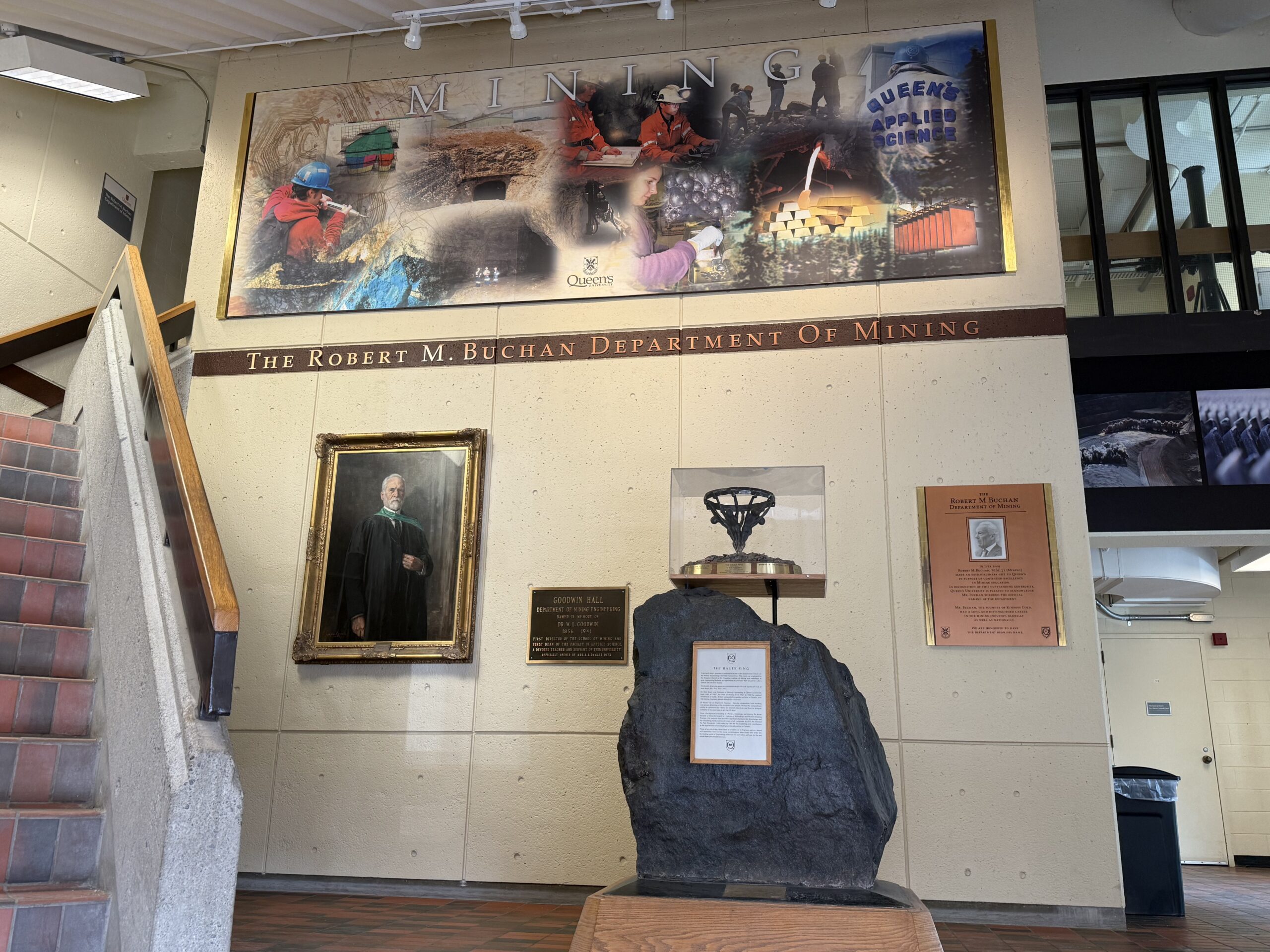
Vlad Kecojevic, professor and head of the Robert M. Buchan Department of Mining in the Stephen J.R. Smith Faculty of Engineering and Applied Science at Queen’s, explained that the proposed funding would significantly expand mining and processing capacity in Canada. “If this budget is approved, it would have a tremendous impact on increasing capacity for mines and processing facilities critical to batteries, clean energy, and advanced technologies,” Kecojevic said in an interview with The Journal. “It would also help attract private investment.”
The proposed federal investment may also affect how mining engineers are trained. Kecojevic said the sector is increasingly looking for engineers with skills in automation, digital tools, sustainability, and low-carbon processes. He noted that Queen’s programs aim to reflect these priorities and train students in a “human-centred” approach to mining. The undergraduate curriculum includes design-focused coursework and opportunities for industry internships, while graduate and certificate programs offer further training in areas such as mining technologies and social performance management.
He also emphasized that the department incorporates community engagement, environmental considerations, and Indigenous partnerships into its programs. According to Kecojevic, efforts to broaden participation in mining education have continued as well: female enrolment in the department has increased from 12 per cent in 2007 to 34 per cent in 2025.
Nationally, Canada’s limited refining and processing capacity remains a significant challenge. Although the country holds substantial mineral reserves, much of the processing takes place abroad.
“Canada needs more facilities capable of refining and processing critical minerals,” Kecojevic said. He added that expanded training in mining, mineral processing, and advanced manufacturing, along with reliable access to clean electricity and strong partnerships with Indigenous communities, will be crucial as mining projects move ahead.
The budget also proposes replacing the industrial emissions cap with a new pricing system, prompting questions about whether increased mining activity needed for critical minerals will be able to align with Canada’s net-zero targets. Kecojevic said meeting environmental goals will require continued innovation, including electrified equipment, renewable power, more efficient processing, and potential carbon-capture technologies.
As Canada increases its focus on critical minerals, Kecojevic said he sees significant opportunities for Queen’s. “Queen’s is very well positioned to contribute to these efforts. We have the largest undergraduate mining program in North America, and the department is already developing the talent needed to support future projects,” he said.
Tags
BST, federal budget, Smith Engineering
All final editorial decisions are made by the Editor(s) in Chief and/or the Managing Editor. Authors should not be contacted, targeted, or harassed under any circumstances. If you have any grievances with this article, please direct your comments to eic@queensjournal.ca.