Editor’s note: AMS Between the Motions is a new column established by The Journal in collaboration with the AMS executive team. The three executives will cycle through writing the column, with one article published each month The Journal is in print during the school year. Submissions are subject to The Journal’s standard editing practices.
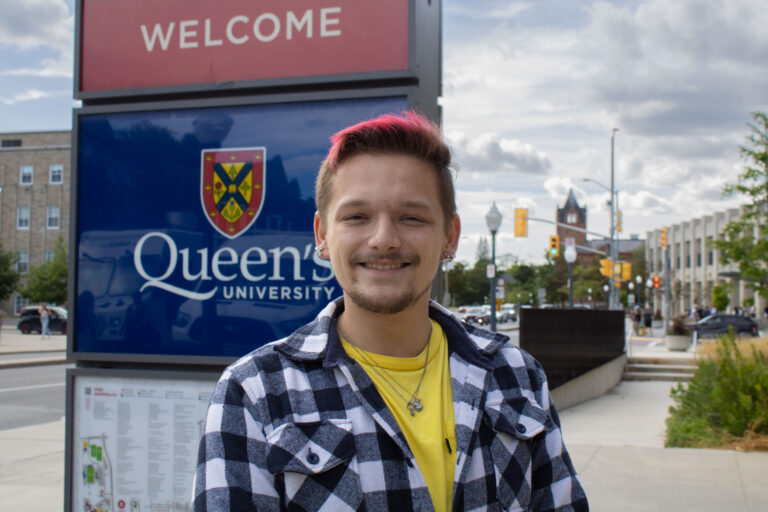
As incoming students come to campus and participate in welcoming activities across faculties and student groups, they bring a pillar of the Queen’s experience to life: finding community within a space they will call home.
However, it’s important to consider how we can retain the level of student engagement we see in September and increase the number of students attending events, participating in opportunities, or engaging in group activities throughout the year.
Many factors can contribute to reduced engagement, including limited resources for programming, the cost of living, the need to balance academics, or a lack of opportunities that feel relevant to students.
Currently, much of our community-building and connection throughout the school year relies on the effort of the many ratified clubs and societies at Queen’s.
These provide networking, community building, charitable engagement, and opportunities to make an impact.
From an AMS perspective, we are working this year to plan more fun and large-scale programming. The AMS will have a focus on utilizing and leveraging our programming, as an opportunity to further promote and bring interest to student government civic engagment.
Another important piece is the University itself, its student services, and programming foster a healthy Queen’s student environment.
Although students may not need to understand the entirety of the Queen’s budget model, given the model is currently under review, one important consideration is how the model funds the shared services at Queen’s.
Shared services are universal to departments and, in turn, students. The difference can sound minute, but the contrast can be vast, impacting whether you can get as extensive wellness services or academic supports as an Arts and Science student in comparison to a Commerce student.
One portfolio with a significant impact on the student community and overall well-being is Student Affairs. It funds areas like Student Wellness Services, the Student Experience Office, and Housing and Ancillary Services, to name a few.
In the University’s 2026–27 annual budget report, Student Affairs represented 5.6 per cent of the Shared Services operating budget, a decrease from what was shown in the University’s 2025–26 annual budget report. This is the lowest proportion since the University’s 2023-24 annual budget report that was also 5.6 per cent.
Our budget model review, reflecting . The translation to how we, as students, are able to receive an exceptional experience here at Queen’s, both within and outside our academics, is crucial.
I hope the outcomes from the budget model review looks at how the crucial shared student services at Queen’s are being supported. This includes Student Affairs, and their resources for supporting the experience of all students and their capacity to deliver relevant student programming.
Tags
AMS Column, community, Queen's budget, Student affairs, Student Engagement
All final editorial decisions are made by the Editor(s) in Chief and/or the Managing Editor. Authors should not be contacted, targeted, or harassed under any circumstances. If you have any grievances with this article, please direct your comments to eic@queensjournal.ca.