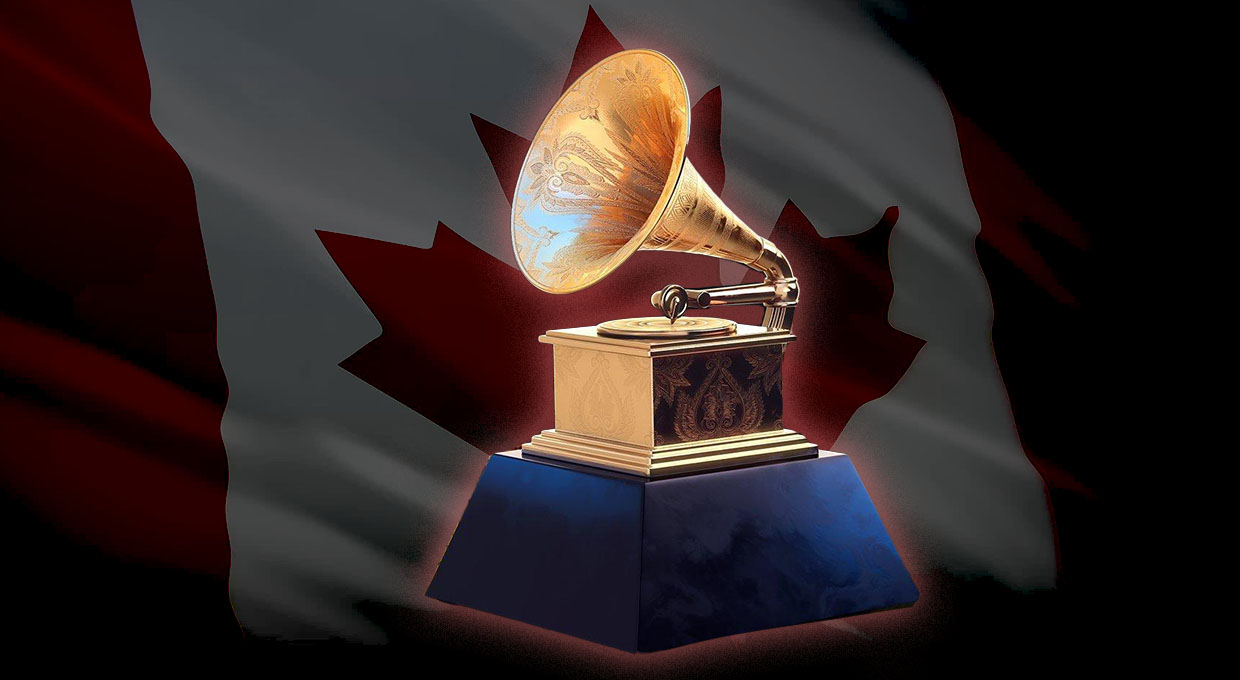
At the 68th annual GRAMMY awards, global artists took home a significant number of trophies—a shift in global tastes that Canadian music can benefit from.
Bad Bunny’s DeBí TiRAR MáS FOToS won Album of the Year, the first time in history a primarily Spanish-language Latin album scooped the title. International artists across the board shifted into the spotlight this year, with Canadian-born musician Cirkutwinning (non-classical) Producer of the Year and British popstar Lola Young winning Best Solo Pop Performance for “Messy.”Netflix’s KPop Demon Hunters gave K-Pop its first ever Grammy’s win when “Golden” won best song written for visual media. Wins like these on an American stage, traditionally the most prestigious, prime global listeners to appreciate a breadth of music—including Canadian work.
Though we share a border with the U.S., Canada lags further behind in global music rankings. According to a 2025 report from the International Federation of the Phonographic Industry (IFPI), Canada has the world’s eighth-largest music market. However, on a case-by-case basis, Canadian musicians have dominant star power; Drake and The Weeknd are some of Spotify’s top-streamed artists, ever.
American unrest drives a growing appreciation for global artistry. Multiple artists, including Bad Bunny, criticized U.S. Immigrations and Customs Enforcement (ICE) officers’ lethal use of violence against civilians in their GRAMMYs acceptance speeches. While American musicians will always have a large place on the global stage, audiences’ shifting attentions send a clear message: dominance doesn’t equal greatness, especially today.
Instead, greatness comes from authenticity, nuance, and honoring one’s unique identity. Bad Bunny embodies this perfectly, and Canadian artists can learn a thing or two. In the ’90s, Canadian pop and rock rose to global prominence following the breakout solo careers of titans like Céline Dion and Alanis Morrisette, as well as the unique contributions of bands like Blue Rodeo, Barenaked Ladies, and Kingston’s own The Tragically Hip.
But the difference is these artists largely remained in Canada, writing music that resonated with Canadian listeners. One of my favourite Hip songs, “Wheat Kings,” references the prairies, CBC, and Canadian prime ministers, weaving uniquely Canadian imagery into a tune with global appeal. Music that acknowledges its Canadian identity transcends mainstream appeal, forming a distinct cultural narrative that rewards domestic listeners.
As a result of bands like The Hip, a thriving culture of appreciating and supporting Canadian music emerged within this country in the ’90s. And it can happen again, but only if contemporary Canadian artists create contemporary Canadian music, foregoing mainstream appeal in favour of cultivating a new national sound.
Canadian audiences are clearly ready for this shift, recognizing how powerless Canadian icons become when they bend to American tastes. It’s why Billboard’s top Canadian artist of 2025, Tate McRae, currently faces heavy backlash for appearing in a promotional video for Team USA ahead of the 2026 Milano-Cortina Winter Olympics. “Y’all know I’m Canada down,” McRae responded in a now-deleted Instagram story.
But it’s time for Canadian artists to prove this, in their music and their actions. “Mommy, for giving birth to me in Puerto Rico, I love you,” Bad Bunny said in his acceptance speech for Album of the Year. For his devotion to his heritage and tireless championing of Latinx culture in the face of American violence, he became Spotify’s most-streamed artist, period, in 2025.
From him and other global icons at this year’s GRAMMYs, Canadian artists have a lot to learn.
Tags
Canadian Music, Grammys, Music, music awards
All final editorial decisions are made by the Editor(s) in Chief and/or the Managing Editor. Authors should not be contacted, targeted, or harassed under any circumstances. If you have any grievances with this article, please direct your comments to journal_editors@ams.queensu.ca.