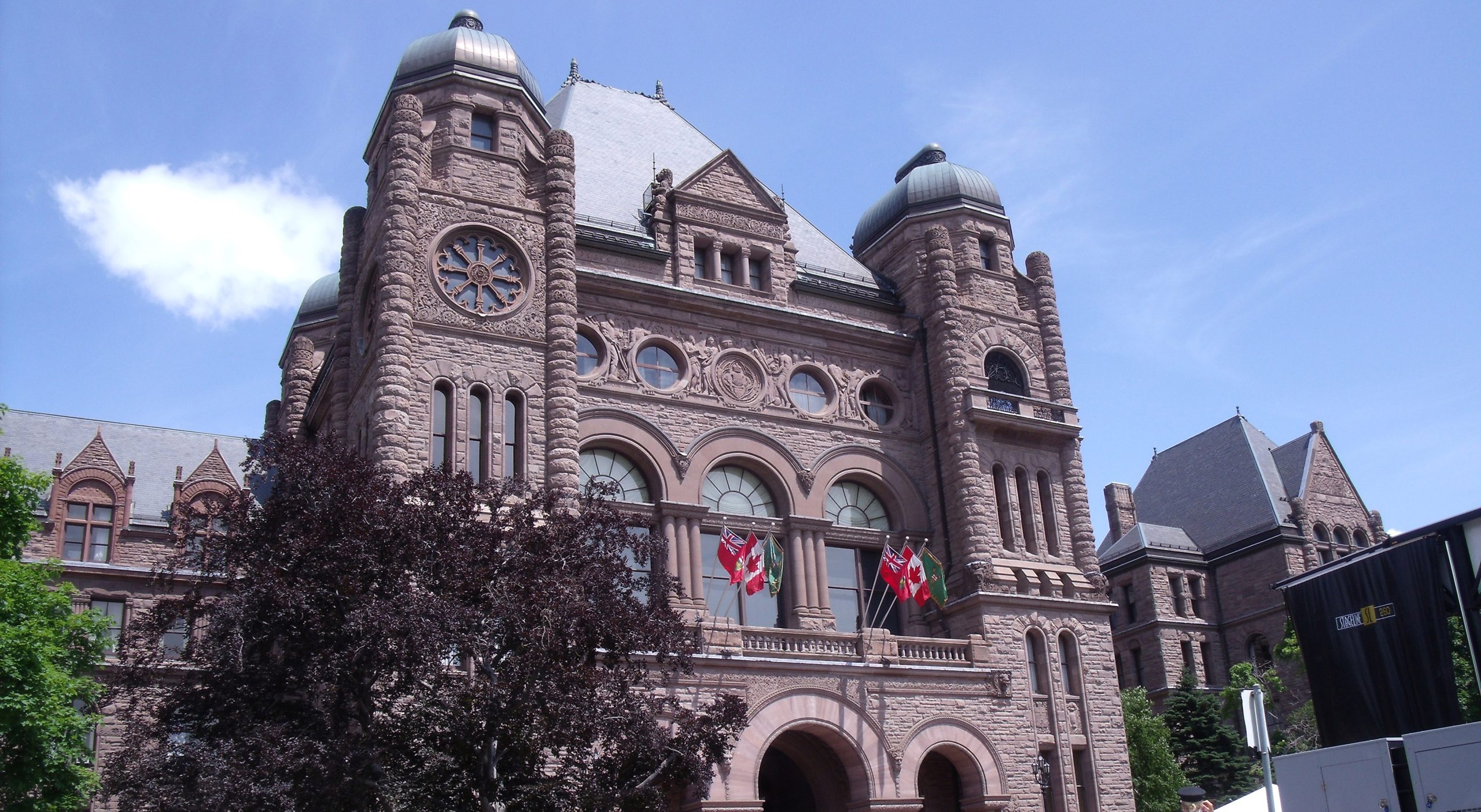
As part of an announcement on Feb. 12 by the provincial government, Ontario postsecondary institutions can expect $6.4 billion in extra funding, and students can expect less money in Ontario Student Assistance Program (OSAP) grants.
The addition of $6.4 billion in funding will take place over the next four years and will help fund 70,000 more “in-demand seats,” while also supporting small, rural, northern, French-language, and Indigenous Institutes, according to the announcement.
The tuition freeze, which has been in place since 2019, was also lifted. Colleges and universities can now raise tuition by up to two per cent per year for the next three years, then up to two per cent or the three-year average rate of inflation, whichever is less, in the following years.
Most controversially, OSAP allocations are also being changed. In the past, OSAP grants could comprise upwards of 85 per cent of a student’s total OSAP funding, with the rest being provided in loans. Now, only a maximum of 25 per cent of a student’s total funding can be made up of grants. The announcement explained this was done to strengthen the long-term sustainability of OSAP.
The Ontario Undergraduate Student Alliance (OUSA)—a group of student unions with the goal of advocating for students to the provincial government—expressed support for the funding allocation but concern for the OSAP change in a press release.
“While this commitment is a significant win for the sector, we are concerned about the continued shift within OSAP from grants to loans, particularly how it risks disproportionately impacting students from various socioeconomic backgrounds,” said OUSA President Sayak Sneddon-Ghosal in the press release.
OUSA claimed they were never consulted on the changes to OSAP and called on the provincial government to pursue a number of solutions, including establishing a no-interest student loan program.
In a statement to The Journal, Queen’s explained it’s thankful to the Ontario Government for these investments into higher education, explaining this funding will “help protect vital programs, including work-integrated learning opportunities for students.”
In regard to the OSAP changes, the University said they recognize “that changes or uncertainty related to OSAP can create financial pressure for some students,” adding they continue to offer support for students who rely on OSAP as part of their education funding.
“These include need-based bursaries, emergency assistance, and donor-funded awards available throughout the academic year to support students experiencing financial pressure or unexpected circumstances. These longstanding supports are designed to complement, not replace, government assistance,” Queen’s wrote.
As for how this funding will impact Queen’s financial situation, the University explained that the funding will make a “meaningful difference,” but they remain focused on dealing with the ongoing financial constraints and pressures on the operating budget due to international student caps and inflation.
“To that end, we must continue pursuing greater efficiencies through innovation and collaboration.”
While not specifying whether tuition will rise, the University added that any changes would fall under the new framework.
“We are reviewing the full details of the announcement to better understand how its various elements may interact and affect the University’s financial position. Any tuition changes would fall within the provincial framework, which permits increases of up to two per cent, which is among the lowest allowable increases in the country.”
The next Board of Trustees meeting, where Queen’s could decide to raise tuition, is set to take place on March 6.
Tags
2026 OSAP Changes, government funding, OSAP, tuition freeze
All final editorial decisions are made by the Editor(s) in Chief and/or the Managing Editor. Authors should not be contacted, targeted, or harassed under any circumstances. If you have any grievances with this article, please direct your comments to eic@queensjournal.ca.