Most Queen’s students know Lake Ontario as a place to cool off after exams or to watch a sunset from the pier. Not many stop to think about the extraordinary body of water that shapes our campus and our city.
That needs to change, which is why I’m delighted that Queen’s will become a Blue University on Sept 17. We are now part of an international network of universities committed to protecting water as a human right, promoting public water systems, and reducing reliance on bottled water. As such, we have committed ourselves to advancing research, teaching, and public engagement on these issues. It’s a fitting, and long overdue, commitment for a university located next to the largest fresh water system on Earth.
Being a Blue University is not just about adding another logo to the university website. It’s about changing the way we think about where we live.
Lake Ontario is easy to take for granted. It’s always there — outside the classroom, beside residences, along your running routes. In reality, it’s a living ecosystem that faces intense challenges: climate change, pollution, invasive species, and aging infrastructure. These are not remote or abstract problems. They’re unfolding literally at the edge of campus.
The good news is that Queen’s has an extraordinary community of researchers, students, and staff working on these issues across campus. Faculty and students from areas as diverse as engineering, environmental studies, geography, biology, development studies, public health, and history are engaged.
Topics are equally varied with people studying drinking water: contaminants, fisheries, climate resilience, wastewater treatment, Indigenous water governance, and the future of public water services. Becoming a Blue University helps connect these efforts while making water a more visible part of campus life.
It should also help create awareness of Lake Ontario. Take the Gord Downie Pier. Thousands of students visit it every year, but few know why it exists. It was not inevitable. It was the result of more than a dozen years of community advocacy and public investment aimed at making Kingston’s waterfront accessible to everyone.
Public spaces like the pier do more than provide recreation. They invite us to build relationships with the lake. Every swim, paddle, walk, or sunset becomes an opportunity to appreciate that clean water depends on good public policy, careful environmental stewardship, scientific research, and active citizenship. In other words, enjoying the lake and protecting it go hand in hand.
A Blue University also reminds us that water is about social and economic justice. Around the world — and within Canada — hundreds of millions of people still lack reliable access to safe drinking water and sanitation. Many First Nations communities in Ontario continue to face deplorable water situations. If Queen’s is serious about reconciliation, sustainability, and global citizenship, freshwater must be part of that conversation.
There is also the current situation in the United States that needs to be taken into account. After more than a century of working closely with policy makers, researchers, and activists on the American side of the Great Lakes, we are now faced with a U.S. administration that has effectively abandoned any kind of collegial, science-based water management.
The ridiculous move to rename Lake Ontario to Lake America is just the tip of a proverbially bad iceberg: research budgets have been slashed and research stations closed, with academics being told they cannot even speak to their Canadian counterparts.
Hopefully this madness will be reversed in the next administration, but it will take years — if not decades — to rebuild what has been lost with water research in the United States. All the more reason for Queen’s to stand up and take a lead on this front.
What can students do?
Start by getting curious. Take a course about water, regardless of your program. Attend a public lecture. Visit the Beaty Water Research Centre. Learn about the history of Lake Ontario and the Indigenous communities who have lived with these waters for millennia. Join one of the many student organizations working on sustainability and environmental issues. Participate in World Water Day events.
Ask questions about where your drinking water comes from, how waste water is treated, and why publicly accessible water fronts matter. The more we understand these systems, the more likely we are to protect them.
A Blue University is only as strong as the people who bring it to life. Faculty can create new learning opportunities. Researchers can collaborate across disciplines. The University can strengthen partnerships with Indigenous communities and the City of Kingston. But students must also embrace this commitment if we are going to turn this Blue University designation into a vibrant campus culture. Queen’s has always been defined by its location on Lake Ontario. Now we have an opportunity to be shaped by it as well.
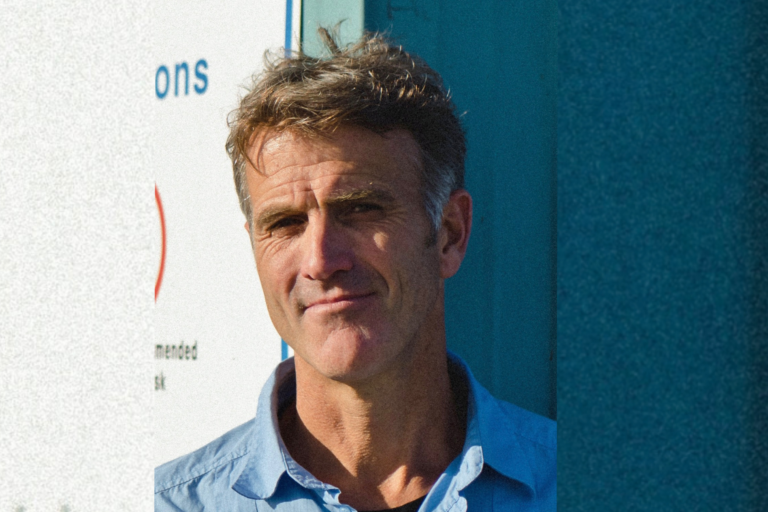
David McDonald is a Professor in Global Development Studies at Queen’s and Director of the Municipal Services Project.
Tags
Blue University, Environmental Awareness, Indigenous Governance, Lake Ontario, Sustainability
All final editorial decisions are made by the Editor(s) in Chief and/or the Managing Editor. Authors should not be contacted, targeted, or harassed under any circumstances. If you have any grievances with this article, please direct your comments to eic@queensjournal.ca.