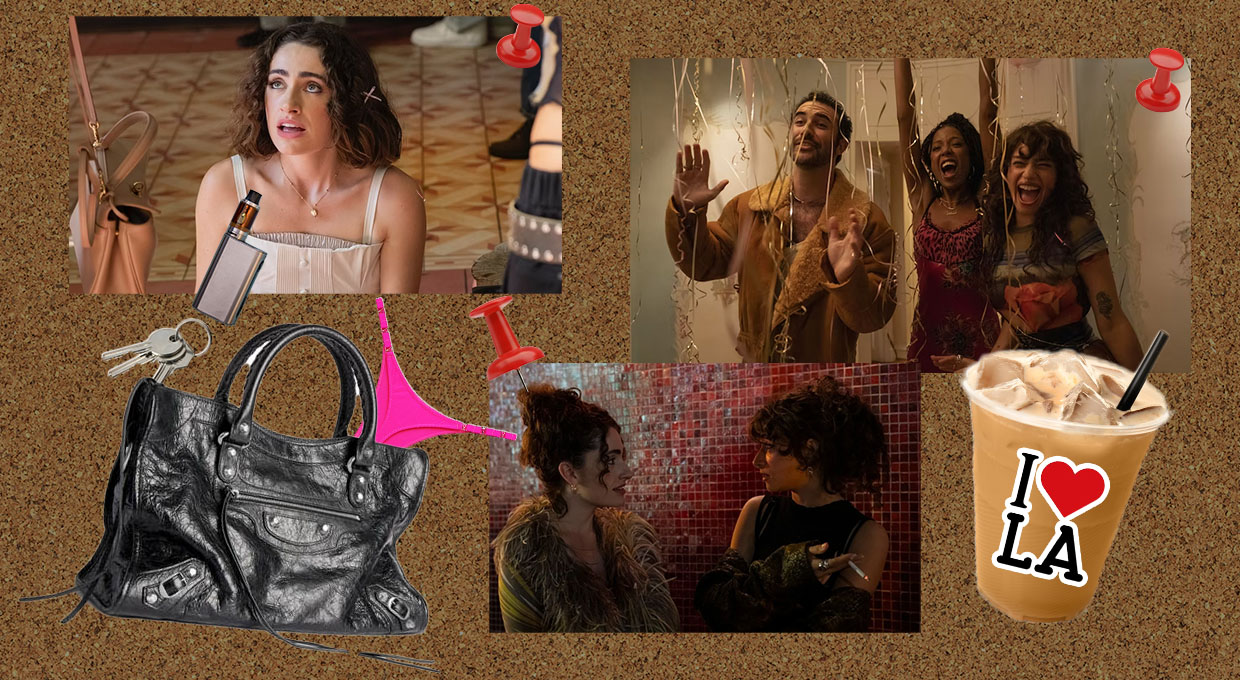
If 2026 is the new 2016, I Love LA marks a return in interest for the city 2016 couldn’t get enough of.
Actress and comedian Rachel Sennott’s new HBO Series, I Love LA (2025) is a chaotic, self-aware, and satirical take on adulthood in Los Angeles through a cast of characters that is messy yet entertaining. The show fits perfectly into last year’s lineup of gen-z centric comedy shows, on the heels of series like Overcompensating (2025) and Adults (2025). The show, centred around a group of friends navigating their way around relationships, fame, and the city of Los Angeles, gives us a witty, satirical, and dramatic glimpse into the lives of adults navigating the “Angel City.”
The series was created by Sennott following her rise in fame from roles in films like Bodies, Bodies, Bodies, Bottoms, and Saturday Night. The show has been received with mixed reviews from critics, with Variety calling the show “nihilist”, despite being well-received by its audience, and clips of the show going viral on TikTok.
Sennott’s character, struggling talent agent Maia Simsbury is like Los Angeles’ response to Carrie Bradshaw—she’s the kind of adult you want to be when you’re younger, one that has a fun career in an exciting city, cool friends, and a loving boyfriend. She’s also insecure, messy, and sometimes objectively, a bad friend and girlfriend, but ultimately, she’s likable because of the charisma their actresses play with. Her best friend, Odessa A’Zion’s Talulah Stiele, is an influencer who moves to LA and uproots Maia’s stability. A’Zion steals the show with her undeniable screen presence, complemented by Sennott’s comedic writing for her character.
Josh Hutcherson portrays Maia’s boyfriend Dylan, a schoolteacher intentionally made to be uninteresting, who keeps the fame-obsessed group grounded. His chemistry with Sennott makes the audience want to root for their relationship despite everything they keep doing wrong. Influencer Jordan Firstman portrays celebrity stylist Charlie Cohen, who struggles with letting go of a past relationship; one that we’re shown and told very little of, making it hard for the audience to sympathize with his character and understand why he acts the way he does.
The show does have room for improvement, especially around the writing for True Whitaker’s character, Alani Marcus, whose life isn’t explored as much as the other characters’. Her character’s got some nepo baby status, and that’s all we know about her as she’s rarely shown in serious storylines that further character development. Instead, she’s often shown supporting the other (white) leads in their storylines. Even when she’s given her own storyline, it’s solely used for comedic relief. This character has a lot of potential. It’s refreshing to see a non-white character hold a position of privilege on screen, but it’d be more interesting to see what they’d do with that privilege. Hopefully, this potential is explored in the show’s second season.
Despite the show receiving lots of criticism for all the characters being ‘unlikeable,’ the unlikability is what makes this a fun and engaging show; people can see themselves in these characters because they aren’t perfect. They’re multidimensional people who often find themselves in unfortunate situations due to the consequences of their actions. If the characters were more ‘likable’, I highly doubt this show would be as interesting as it is.
Ultimately, I Love LA is a great watch due to its wit, humour, and drama. While there’s room for improvement, no show is at its best in its first season, yet this show has had a pretty good first season. Hopefully, the second season explores more with these characters and gives them more depth.
Tags
HBO series, I Love LA, Rachel Sennott, Television
All final editorial decisions are made by the Editor(s) in Chief and/or the Managing Editor. Authors should not be contacted, targeted, or harassed under any circumstances. If you have any grievances with this article, please direct your comments to eic@queensjournal.ca.