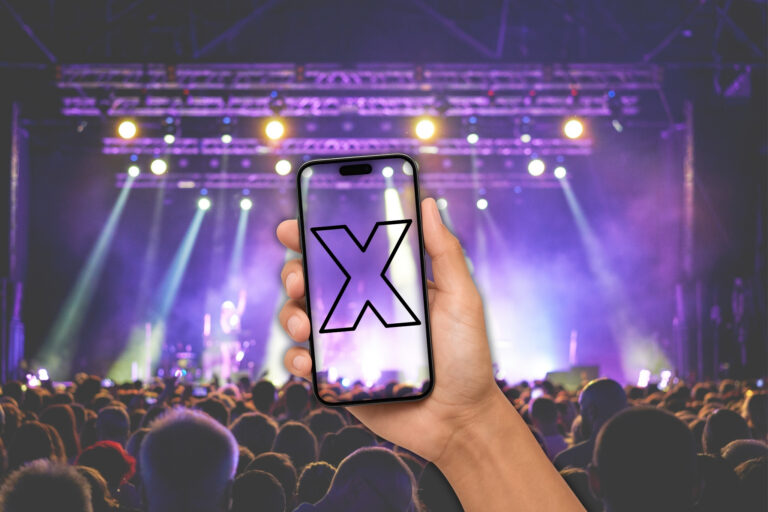
In her most recent tour announcement, singer-songwriter Phoebe Bridgers shocked fans with an added layer of intimacy: no phones. At the entrance, security hands fans phone sized pouches to keep concertgoers devices in, locking away their recording devices until they exit the venue.
In an attempt to further push this idea of an intimate “no recording” setting, Bridgers sold tickets to her pop-up show in New York for one dollar, which kicked off her tour earlier this month on June 4.
The decision to make tickets cheap and accessible while enforcing a smartphone ban has left fans conflicted, feeling that while the low price is undeniable, locking their phones away might not be worth it. The idea behind the no phones rule is simply to eliminate a fan’s ability to escape the excitement of the show and allow the space to bring people together through their love of the artist.
However, this trend of “no recording” at concerts is not Bridgers’ own invention. This rule has been enforced by both musicians and comedians alike since the pandemic.
For years, music legend Bob Dylan has supported the no phones rule at his concerts. An interesting case, Dylan has watched the development of technology in music and concerts throughout his career for the last sixty years. His passion for eliminating smartphones from his shows has seemingly gone over well with his fans who understand the separation he tries to create.
The youth of Bridgers’ fans might have something to do with their agitation on this restriction, as Dylan’s fans have grown accustomed to his views on technology and eccentric personality. The younger generation of music fans now are far more technology focused, and phones seem to have become a part of concert culture.
Today, concert performances no longer only include the artists. Stage design, props, and elaborate sets are tied to performances for many musicians like Taylor Swift, Sabrina Carpenter, and Bad Bunny. These visual elements are a rather new trend, at least with the detail it has in today’s industry, and it has coincided with the development of smartphones.
Fans want to capture the moment, the people, and the music. It is hard to fault someone for documenting their favorite artist so they can relive the magic of the performance when they’re back home, but a screen-dependent crowd does break the illusion of the performance.
By pulling out a phone, fans unknowingly take themselves out of the magic of the show. Unlike how concerts were attended before smartphones, where people simply engaged to remember the entertainment they paid for, memories of the show get captured on a phone. While filming shows today are nowhere near as much of an issue as it once was, other problems now arise with it, mainly pertaining to engagement.
Not only is this issue of engagement taking away from the experience of the person on their phone, but fellow concertgoers as well. It becomes more than an issue of distracting oneself and affects others’ experiences with the show that they paid the same amount of money for.
While this smartphone ban is likely to cause more friction during Bridgers’ and other artists future tours, it calls to attention a real issue in modern engagement and concertgoing. By banning phones from concerts, artists deprive their fans the right to film their shows and check their messages. However, they also encourage proper engagement, leaving the question of whether there should be phones at concerts without a simple answer.
Tags
Bob Dylan, Phoebe Bridgers, Phone ban
All final editorial decisions are made by the Editor(s) in Chief and/or the Managing Editor. Authors should not be contacted, targeted, or harassed under any circumstances. If you have any grievances with this article, please direct your comments to eic@queensjournal.ca.