This article discusses abuse and generational trauma, which may be distressing for some readers.
When “Wuthering Heights” concluded at The Screening Room, there wasn’t a dry eye in the theatre. Except for three—mine, and my two new friends beside me who’d also read the book.
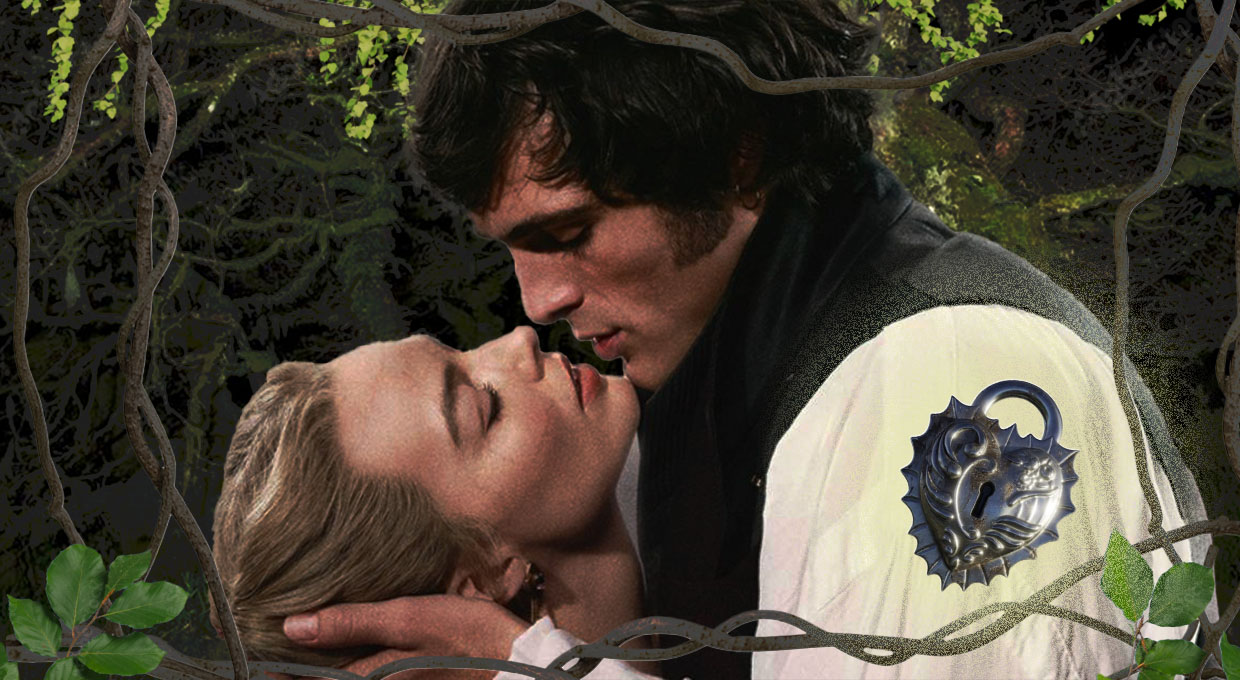
On Feb. 13, Saltburn’s Emerald Fennell’s “Wuthering Heights”, starring Jacob Elordi and Margot Robbie, released in theatres with a score by CharliXCX. Believe me, I have a lot to say. I find it very hard to believe that Fennell, the director, even read the original Emily Brontë’s Wuthering Heights (1847). The film provides audiences with confusing, superficial mush that seems to say nothing at all.
Adaptations are allowed to take liberties. They’re allowed to reinterpret, modernize, and even provoke. What they shouldn’t be allowed to do—at least not without consequence—is completely abandon the point the author was trying to make. At a bare minimum, an adaptation should show respect for the story it’s borrowing from, and for the intentions behind it.
Fennell’s choices resulted in a fundamental misunderstanding of what Brontë’s Wuthering Heights is actually about.
For those of you who don’t know, Wuthering Heights is the story of Catherine (Cathy) Earnshaw and her tumultuous love affair with Heathcliff, who is an orphan who was adopted by the Earnshaw’s family. He suffers serious abuse at the hands of Cathy’s older brother, Hindley, a character completely erased from the film. The original story then follows Heathcliff’s revenge and Cathy’s awful temper as it stains and ruins the lives of two families: the Earnshaws, who live in the gloomy Wuthering Heights, and the Lintons, their neighbours over on Thrushcross Grange.
Fennell’s story features the moors and has characters of the same name, but most of the original story has been replaced.
In terms of casting, it’s been said countless times, but can only be reiterated. Brontë’s characterization of Heathcliff as racially ambiguous and socially othered isn’t accidental. From childhood, he’s abandoned, dehumanized, and treated as inferior. His rage, his fixation on Cathy, and his violence aren’t necessarily expressions of romantic intensity, but they are responses to a world that has systematically denied him belonging and humanity.
By casting Elordi, a white man, as Heathcliff, the portrayal of Cathy and Heathcliff’s passionate affair as a violent retaliation against societal expectations and the abuse they’d suffered together was completely erased.
Without the novel’s context, viewers might not understand the implications of Fennell’s mistakes. But since the film was announced, sales for Wuthering Heights have more than doubled, with over 180,000 print copies sold in the U.S. this past year. Unfortunately, this may result from Fennell selling Wuthering Heights as “one of the greatest love stories of all time.” The real story is much darker, and more complex.
In the movie, Fennell included some of Heathcliff’s childhood abuse as backstory material. However, Fennell’s Heathcliff didn’t seem to be the abused, tormented, evil, cruel man from Brontë’s Wuthering Heights, who tortures his wife and child—and kills puppies. Instead, Fennell’s Heathcliff is a guy who is mildly into BDSM. In the film, his wife, Isabella, was right where she wanted to be— the instigator of sexual romps.
In Fennell’s “Wuthering Heights,” sex outweighs romance. In fact, sex is all Catherine and Heathcliff seem to have—peppered with plenty of desperate utterances of “I love you.” Instead of egging one another on and throwing themselves into violent rages, the movie’s conflict stems mostly from the fact that Cathy, a married woman, is having an affair with Heathcliff.
Catherine and Heathcliff’s relationship in the novel isn’t about soft yearning or accidental hand brushes. It’s about want—raw, obsessive, almost violent want. They’re possessive, angry, and bound together by shared trauma. Turning that into a smutty Valentine’s Day popcorn flick feels less like interpretation and more like a critical flattening.
The setting of Brontë’s Wuthering Heights is cold, grey, and constantly stormy. To read it, is to be transported to bleak moors, hostile homes, and thrust into the minds of characters who are rarely at peace; which is why Fennell’s interpretation is so baffling. It’s bright. It’s lush. It’s full of longing glances across green fields and colourful costumes. But Wuthering Heights is a story that actively resists prettiness.
If anything, it’s one of the few novels where I’d argue a muted, joyless colour palette is essential.
Fennell has enough money, power, and connections within the industry to continue to make movies. I’ll give her this: she’s pretty good at scores and colour palettes. If she’d written, or paid someone, to write a fluff smutty romance between Jacob Elordi and Margot Robbie, many people would’ve probably gone to see it.
Next time, just leave Wuthering Heights and Emily Brontë out of this, I beg you.
Tags
Emerald Fennell, Emily Brontë, Film, Film Review, Jacob Elordi, Literature, Margot Robbie, Withering Heights
All final editorial decisions are made by the Editor(s) in Chief and/or the Managing Editor. Authors should not be contacted, targeted, or harassed under any circumstances. If you have any grievances with this article, please direct your comments to eic@queensjournal.ca.